
Success rate of medical abortion at 6 weeks – Ever wondered if the earliest medical abortion is the most effective? At just 6 weeks, medical abortion success rates hover around 98%. That’s right—almost guaranteed success when you’re barely certain you’re pregnant.
If you’re considering a medical abortion at 6 weeks, you need clear facts, not anxiety-inducing maybes.
The reality is that medical abortion at 6 weeks offers one of the highest success rates of any pregnancy termination method. Most people complete the process without needing additional intervention.
But what exactly happens during those first crucial hours after taking the pills? And why do some people fall into that rare 2% where things don’t go as planned?
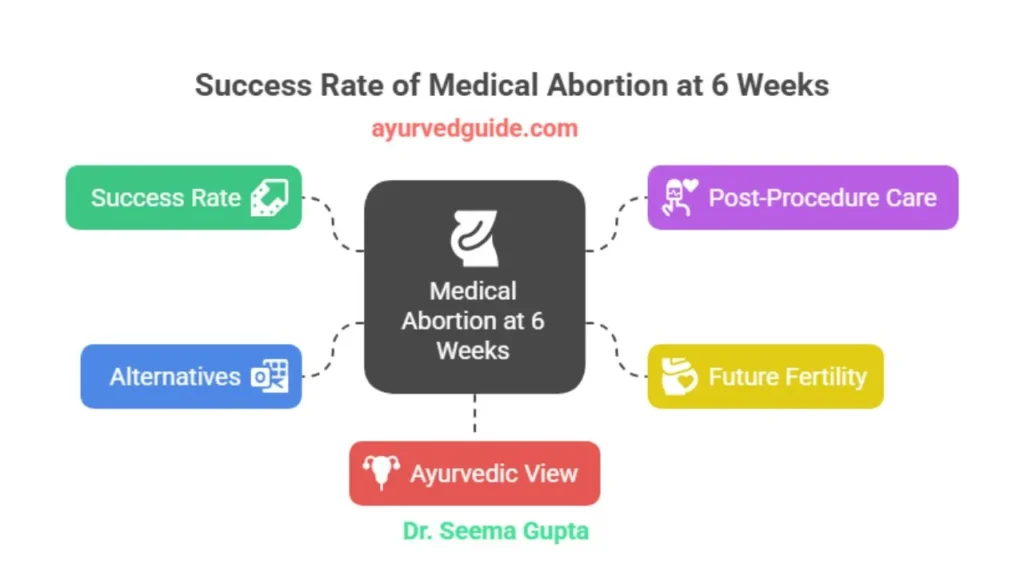
What You Need to Know About Medical Abortion at 6 Weeks
Deciding whether a medical abortion at 6 weeks is right for you can feel overwhelming, but it’s one of the safest and most private options for ending an early pregnancy. If you’re just starting to explore your choices, you’re not alone—many people seek clear, reliable information at this stage.
Medical abortion at 6 weeks offers a non-invasive way to terminate a pregnancy using two medications, Mifepristone and misoprostol, with a success rate of 95-98%. It’s typically done at home, giving you control and privacy.
You might be wondering about the process, what it feels like, or how it compares to other options. This guide will walk you through the essentials, addressing both practical and emotional aspects to help you feel informed and supported as you consider your next steps.
Debunking Myths About Medical Abortion at 6 Weeks
Misinformation about medical abortion can add confusion to an already sensitive decision. Let’s clear up some common myths with evidence-based facts:
Myth: Medical abortion at 6 weeks causes long-term infertility.
Fact: Studies show medical abortion does not affect long-term fertility. Most people ovulate within 2-3 weeks and can conceive again when ready, with no increased risk of complications.
Myth: The abortion pill is always extremely painful.
Fact: Pain varies, but most experience cramping similar to a heavy period, manageable with over-the-counter pain relievers like ibuprofen. Severe pain is rare at 6 weeks.
Myth: Medical abortion is unsafe or experimental.
Fact: The abortion pill (Mifepristone and misoprostol) is FDA-approved, backed by decades of research, and used safely worldwide with a 95-98% success rate at 6 weeks.
Myth: You need a surgical procedure for a safe abortion.
Fact: Medical abortion is a safe alternative to surgery for pregnancies up to 10-12 weeks, especially at 6 weeks, with minimal risk of complications when supervised by a healthcare provider.
Understanding these facts can help you approach your decision with confidence, free from myths that cloud the process.
What Is Medical Abortion and How Does It Work?
![]() Abortion Pills: How They Work
Abortion Pills: How They Work
Medical abortion involves a two-medication protocol that safely ends early pregnancies. The first medication, mifepristone, blocks progesterone—a hormone necessary for pregnancy continuation. Without progesterone, the uterine lining begins to break down, preventing the embryo from developing further.
The second medication, misoprostol, is typically taken 24-48 hours later and causes uterine contractions. These contractions help expel the pregnancy tissue through the vagina, similar to a heavy menstrual period or early miscarriage.
This medication combination is highly effective, with success rates varying by gestational age:
| Gestational Age | Success Rate |
|---|---|
| 4-6 weeks | 96-99% |
| 7-9 weeks | 93-98% |
| 10-11 weeks | 87-96% |
The pills offer a non-invasive alternative to surgical abortion, allowing patients to complete the process in the privacy of their own homes.
Medical Abortion vs. Other Options at 6 Weeks
At 6 weeks, you have several options for pregnancy termination, and understanding how medical abortion compares can help you choose what’s best for you. Here’s a quick overview:
Medical Abortion:
Involves taking two pills (Mifepristone and misoprostol) at home, with a 95-98% success rate at 6 weeks. It’s non-invasive, private, and mimics a natural miscarriage. Recovery typically takes 1-2 weeks, with cramping and bleeding similar to a heavy period.
Surgical Abortion (Vacuum Aspiration):
A quick, in-clinic procedure with a near 100% success rate. It’s more invasive but requires less at-home recovery (usually 1-2 days). Ideal for those preferring a faster process or who are beyond 10 weeks.
Expectant Management (Waiting for Natural Miscarriage):
Involves waiting for the body to expel the pregnancy naturally, often with medical monitoring. Success rates vary widely (50-80%), and it can take weeks, with unpredictable bleeding and cramping.
Medical abortion at 6 weeks is often preferred for its privacy and high effectiveness, but consulting a healthcare provider can help you weigh these options based on your health, preferences, and circumstances.
Comparison of Abortion Methods at 6 Weeks
| Method | Success Rate | Procedure Type | Recovery Time | Privacy Level |
|---|---|---|---|---|
| Medical Abortion | 95–98% | Pills (Non-invasive) | 1–2 weeks | High |
| Surgical (Vacuum Aspiration) | ~100% | In-clinic | 1–2 days | Moderate |
| Expectant Management | 50–80% | Natural | Several weeks | Variable |
How Long Does the Abortion Pill Take to Work?
The timeline for a medical abortion varies slightly for each person, but follows a general pattern:
After taking Mifepristone, minimal or no symptoms might occur. Some patients experience light bleeding, but most notice no immediate effects.
Misoprostol, the second medication, typically triggers cramping and bleeding within 1-4 hours of administration. The most intense cramping and heaviest bleeding usually occur during the first 4-6 hours after taking misoprostol. This is when most pregnancy tissue passes.
The entire process from first pill to completion usually takes about 24-72 hours. For most patients, significant bleeding subsides within 24 hours after passing the pregnancy tissue, though lighter bleeding may continue for 1-2 weeks.
Follow-up testing or appointments are recommended 1-2 weeks after the procedure to confirm the abortion was successful.
How Long Does the Abortion Pill Take to Work?
The timeline for a medical abortion varies slightly for each person, but follows a general pattern:
After taking mifepristone, minimal or no symptoms might occur. Some patients experience light bleeding, but most notice no immediate effects.
Misoprostol, the second medication, typically triggers cramping and bleeding within 1-4 hours of administration. The most intense cramping and heaviest bleeding usually occur during the first 4-6 hours after taking misoprostol. This is when most pregnancy tissue passes.
The entire process from first pill to completion usually takes about 24-72 hours. For most patients, significant bleeding subsides within 24 hours after passing the pregnancy tissue, though lighter bleeding may continue for 1-2 weeks.
Follow-up testing or appointments are recommended 1-2 weeks after the procedure to confirm the abortion was successful.
How to Prepare for a Medical Abortion at 6 Weeks
Preparing for a medical abortion at 6 weeks can help you feel more in control and reduce stress during the process. Here’s a practical guide to get ready:
Consult a Healthcare Provider:
Schedule an appointment to confirm your pregnancy’s gestational age (ideally via ultrasound) and discuss your medical history to ensure the abortion pill is safe for you.
Gather Supplies:
Stock up on maxi pads (not tampons), over-the-counter pain relievers like ibuprofen (600-800 mg as needed), a heating pad, and comfort items like blankets or snacks.
Arrange Support:
Consider having a trusted friend, partner, or family member available for emotional or practical support, such as driving you to appointments or staying with you during the process.
Plan for Rest:
Clear your schedule for 1-2 days to rest after taking misoprostol, as cramping and bleeding are most intense during this time. Avoid strenuous activities or work if possible.
Understand the Process:
Review the medication instructions (Mifepristone followed by misoprostol 24-48 hours later) and ask your provider about what to expect, including side effects and when to seek help.
Emotional Preparation:
Reflect on your decision and consider journaling or speaking with a counsellor to process your feelings. Resources like hotlines or support groups can provide additional guidance.
Being prepared can make the experience smoother and less overwhelming, allowing you to focus on your recovery.
Success Rate of Medical Abortion by Week
A. Success Rate of Medical Abortion at 2 Weeks
At 2 weeks of pregnancy (about 4 weeks from the last menstrual period), medical abortion has an extremely high success rate of approximately 98-99%. The pregnancy is very early at this stage, making the medication highly effective. The gestational sac is tiny, and hormone levels are just beginning to rise, allowing the medication to work quickly and effectively.
B. Success Rate of Medical Abortion at 3 Weeks
Medical abortion at 3 weeks of pregnancy shows a success rate of about 97-98%. At this stage, the pregnancy is still in its very early development. The combination of mifepristone and misoprostol works efficiently to terminate the pregnancy with minimal complications. Many people may not even realize they’re pregnant at this point, although those who are closely tracking their symptoms might seek care at this early stage.
C. Success Rate of Medical Abortion at 4 Weeks
The success rate for medical abortion at 4 weeks remains high at approximately 96-98%. This timing corresponds to when many people first confirm their pregnancies. The abortion medication effectively blocks progesterone and induces contractions, resulting in the complete expulsion of pregnancy tissue in most cases. Recovery is typically quicker compared to later gestational ages.
D. Success Rate of Medical Abortion at 5 Weeks
At 5 weeks, medical abortion maintains a strong success rate of 95-97%. The pregnancy is still considered early, allowing the medication to work effectively. The embryo is approximately the size of a sesame seed at this stage. While effectiveness remains high, some patients may experience slightly more cramping and bleeding compared to earlier weeks as the pregnancy has become more established.
E. Success Rate of Medical Abortion at 6 Weeks
Medical abortion at 6 weeks has a success rate of approximately 93-95%. This remains highly effective, though slightly lower than earlier weeks. At 6 weeks, the embryo is developing more rapidly, and hormone levels continue to rise. Most patients experience a complete abortion without requiring surgical intervention. The process typically involves taking mifepristone followed by misoprostol 24-48 hours later, which causes uterine contractions and expulsion of the pregnancy tissue.
F. Success Rate of Medical Abortion at 6 Weeks in India
In India, the success rate of medical abortion at 6 weeks mirrors global statistics at approximately 92-95%. Indian medical protocols closely follow international standards for medication dosing and timing. Access varies significantly by region, with urban areas offering more consistent care than rural settings. Government hospitals and authorized private clinics provide medical abortion services under the Medical Termination of Pregnancy Act, which allows abortion up to 20 weeks under specific circumstances.
G. Success Rate of Medical Abortion at 6 Weeks Reddit Discussions
Reddit discussions about medical abortion at 6 weeks generally align with medical literature, reporting success rates between 90-95%. Users frequently share detailed personal experiences, describing symptoms, timeline, and emotional aspects. Many report complete abortion within 24 hours of taking misoprostol. Common themes include varying levels of pain, bleeding duration, and confirmation of success. While these anecdotal reports provide valuable peer support, they shouldn’t replace professional medical advice.
H. Success Rate of Medical Abortion at 7 Weeks
At 7 weeks, medical abortion success rates slightly decrease to around 92-94%. The pregnancy is more established, with the embryo growing to about 1 centimeter in length. Patients may experience stronger cramping and heavier bleeding during the process. The medication still effectively terminates most pregnancies, though the chance of incomplete abortion requiring follow-up care increases marginally compared to earlier weeks.
I. Success Rate of Medical Abortion at 8 Weeks
Medical abortion at 8 weeks has a success rate of approximately 90-93%. The embryo has developed further, and placental tissue is more established. While still effective, patients typically experience more intense cramping and bleeding than at earlier gestational ages. Healthcare providers carefully monitor patients at this stage, as the risk of incomplete abortion rises slightly. Follow-up appointments become increasingly important to confirm complete termination.
J. Success Rate of Medical Abortion at 9 Weeks
By 9 weeks, medical abortion success rates decrease to about 87-92%. The fetus has grown considerably, and hormonal changes are more significant. Patients often report stronger cramping and heavier bleeding. Healthcare providers may adjust medication dosages to maintain effectiveness. The risk of requiring surgical intervention increases, though most patients still experience complete abortion with medication alone.
K. Success Rate of Medical Abortion at 10 Weeks
At 10 weeks, medical abortion success rates range from 85-90%. This represents the current upper limit for medical abortion in many countries. The fetus has developed to about 3 centimeters, with more established placental tissue. Patients typically experience significant cramping and heavy bleeding. Healthcare providers monitor these cases closely, as the risk of incomplete abortion requiring surgical intervention increases to approximately 10-15%.
L. Success Rate of Medical Abortion at 12 Weeks / 3 Months
Medical abortion at 12 weeks (3 months) has a significantly lower success rate of approximately 75-85%. Many healthcare systems consider this beyond the recommended window for medication alone. The fetus has developed substantially by this point, making the process more complex. Patients often experience strong cramping, heavy bleeding, and a longer expulsion process. In many countries, surgical methods become the preferred approach at this gestational age due to higher reliability and safety concerns.
Weekly Success Rates of Medical Abortion
| Week of Pregnancy | Approx. Success Rate | Remarks |
|---|---|---|
| 2 weeks | 98–99% | Earliest, most effective |
| 3 weeks | 97–98% | Early-stage termination |
| 4 weeks | 96–98% | Common detection period |
| 5 weeks | 95–97% | Still highly effective |
| 6 weeks | 93–95% | Optimal window for most |
| 7 weeks | 92–94% | Slightly lower success |
| 8 weeks | 90–93% | Requires close follow-up |
| 9 weeks | 87–92% | Increasing risk of incomplete abortion |
| 10 weeks | 85–90% | Upper limit for pill use |
| 12 weeks | 75–85% | Often needs surgical backup |
What Affects the Success Rate of Medical Abortion?
A. Gestational Age & Confirmation of Pregnancy
The success rate of medical abortion varies significantly with gestational age. At 6 weeks, medical abortion typically has a success rate of 95-98%. This high effectiveness occurs because the pregnancy is still in early development.
Before proceeding with medical abortion, accurate dating of the pregnancy is crucial. Ultrasound dating provides the most reliable confirmation and helps determine if the pregnancy is intrauterine rather than ectopic. Blood tests measuring hCG levels can also help confirm pregnancy status and approximate gestational age.
Medical abortion effectiveness decreases slightly as pregnancy progresses:
- 4-5 weeks: 98-99% effective
- 6-7 weeks: 95-98% effective
- 8-9 weeks: 93-96% effective
- 10-12 weeks: 88-92% effective
B. Quality of Medication & Medical Supervision
The quality of abortion medications directly impacts success rates. FDA-approved mifepristone and misoprostol from reputable healthcare providers ensure maximum effectiveness. Counterfeit or expired medications significantly reduce success rates and pose serious health risks.
Professional medical supervision throughout the abortion process substantially improves outcomes. Healthcare providers can:
- Accurately determine gestational age
- Screen for contraindications
- Provide proper dosing instructions
- Monitor for complications
- Confirm abortion completion
Follow-up appointments 1-2 weeks after taking abortion medication are essential to verify complete termination. Sometimes an ultrasound may be necessary to confirm that no pregnancy tissue remains. If the abortion is incomplete, additional medication or a surgical procedure might be recommended.
Storage conditions of medications also matter. Medications kept at proper temperatures according to package instructions maintain their effectiveness, while improperly stored medications may lose potency.
What Happens After a Medical Abortion at 6 Weeks?
Bleeding after a medical abortion at 6 weeks typically lasts 1-2 weeks, though this varies from person to person. Heavy bleeding with clots usually occurs during the first 24-48 hours after taking the second medication (misoprostol). This heavy flow gradually transitions to moderate bleeding similar to a period, then to spotting before stopping completely.
Some patients might experience spotting for up to 4 weeks, which is generally normal. The bleeding pattern might include:
- First 1-2 days: Heavy bleeding with clots
- Days 3-7: Moderate bleeding similar to a normal period
- Days 8-14: Light bleeding or spotting
- Days 15+: Spotting may continue, but should gradually decrease
If bleeding soaks through 2 maxi pads per hour for 2 consecutive hours, persists heavily beyond 2 weeks, or develops a foul odor, medical attention should be sought immediately as these may indicate complications.
Typical Bleeding Pattern After Medical Abortion
| Timeframe | Bleeding Type | Description |
|---|---|---|
| 1–2 Days | Heavy | Clots and tissue expelled |
| 3–7 Days | Moderate | Period-like flow |
| 8–14 Days | Light | Spotting, a gradual decrease |
| 15+ Days | Minimal | Occasional spotting only |
Involving a Support System During Your Abortion
Having a support system during a medical abortion can make the process feel less isolating and more manageable. Here’s how to involve others effectively:
Choosing a Support Person:
Select someone you trust, such as a partner, friend, or family member, who can provide emotional or practical help. They can assist with tasks like picking up medications, preparing meals, or simply being there to listen.
Communicating Your Needs:
Be clear about what you need, whether it’s company during the process, help with childcare, or space to process your emotions privately. For example, you might say, “I’d like you to check in with me, but give me some quiet time after taking the pills.”
Emotional Support:
Discussing your decision with a supportive person can help you process complex emotions. If you’re hesitant to share with someone close, consider a counsellor or an anonymous hotline for nonjudgmental support.
Practical Considerations:
If your support person is with you during the process, they can help monitor symptoms (e.g., heavy bleeding) and contact a healthcare provider if needed. Ensure they understand the timeline and potential side effects.
If you prefer to go through the process alone, that’s okay too—focus on self-care and keep your provider’s contact information handy. Support can come in many forms, so choose what feels right for you.
How Painful Is a Medical Abortion at 6 Weeks?
Pain during a medical abortion at 6 weeks varies considerably between individuals. Most patients experience cramping similar to or stronger than menstrual cramps, typically peaking 2-5 hours after taking misoprostol (the second medication).
Pain levels typically follow this pattern:
- Mild discomfort: Some patients experience only mild cramping
- Moderate pain: Most common experience, manageable with over-the-counter pain medication
- Severe cramping: Some patients experience intense cramping during tissue passage
Pain management options include:
- Ibuprofen (600-800mg every 6-8 hours)
- Heating pads are applied to the lower abdomen
- Rest in a comfortable position
- Warm showers or baths
The good news is that at 6 weeks, cramping is generally less intense than abortions performed later in pregnancy since there’s less tissue to expel. The most intense cramping typically subsides within 24 hours, though mild cramping may continue intermittently for several days.
What Side Effects to Expect During a Medical Abortion
While cramping and bleeding are the most common effects of a medical abortion at 6 weeks, other side effects may occur. Knowing what to expect can help you manage them effectively:
Nausea and Vomiting:
Some people experience nausea, especially after taking misoprostol. Eating a light meal beforehand and staying hydrated can help. If vomiting occurs within an hour of taking misoprostol, contact your provider.
Diarrhea:
Misoprostol may cause diarrhoea, which is usually temporary. Avoid heavy or spicy foods, and drink water or electrolyte solutions to stay hydrated.
Chills or Fever:
Feeling chilly or having a low-grade fever is common as your body responds to the medication. These symptoms typically resolve within a few hours. A fever above 100.4°F lasting more than 24 hours requires medical attention.
Fatigue:
You may feel tired during the process due to hormonal changes and physical exertion. Rest as much as possible and avoid overexertion.
Headache or Dizziness:
These can occur due to blood loss or medication effects. Resting in a comfortable position and staying hydrated can alleviate these symptoms.
Most side effects peak within 4-6 hours after taking misoprostol and subside within 24 hours. If you experience severe symptoms, such as heavy bleeding (soaking two maxi pads per hour for two hours) or intense pain not relieved by medication, contact your healthcare provider immediately.
Can You Get Pregnant Again After a Medical Abortion?
Fertility typically returns quickly after a medical abortion. Most people ovulate within 2-3 weeks following the procedure, which means pregnancy is possible before the next menstrual period even arrives. This rapid return to fertility surprises many who might assume the body needs more time to recover.
A. Can You Get Pregnant 6 Weeks After an Abortion?
Yes, pregnancy is entirely possible 6 weeks after a medical abortion. By this point, the body has usually fully recovered from the procedure, and normal reproductive function has returned. The medical abortion process doesn’t impact long-term fertility for most individuals. In fact, many healthcare providers schedule follow-up appointments around the 4-6 week mark specifically because regular menstrual cycles and full fertility have typically resumed by then.
Some key points to remember:
- Ovulation can occur as early as 8-10 days after a medical abortion
- By 6 weeks, most people have had at least one normal period
- Fertility levels generally return to pre-abortion levels
B. Can I Get Pregnant a Week After a Medical Abortion?
While technically possible, getting pregnant just one week after a medical abortion is uncommon but not impossible. The body is still in the early stages of recovery, and most people haven’t yet ovulated. However, sperm can survive in the reproductive tract for up to 5 days, so unprotected sex during this time could potentially result in pregnancy if ovulation occurs earlier than expected.
For those not wishing to become pregnant again quickly, starting effective contraception immediately after a medical abortion is highly recommended. Many contraceptive methods can be initiated on the same day as taking the second abortion medication.
Your Step-by-Step Guide to a Medical Abortion at 6 Weeks
If you’ve decided to proceed with a medical abortion at 6 weeks, following a clear plan can help ensure a safe and smooth process. Here’s a step-by-step guide to walk you through:
Step 1: Consult a Healthcare Provider
Schedule an appointment (in-person or via telemedicine) to confirm your pregnancy’s gestational age with an ultrasound or blood test. Discuss your medical history to ensure the abortion pill is safe for you.
Step 2: Obtain Medications
Get Mifepristone and misoprostol from a licensed provider, such as a clinic, hospital, or authorised telemedicine service. Verify the medications are FDA-approved or meet local health authority standards.
Step 3: Take Mifepristone
Take the first pill (Mifepristone) as directed, usually at the clinic or home. You may experience light bleeding or no symptoms at this stage.
Step 4: Take Misoprostol
24-48 hours later, take misoprostol as instructed (often orally or vaginally). Expect cramping and bleeding within 1-4 hours, with the heaviest symptoms lasting 4-6 hours as the pregnancy tissue is expelled.
Step 5: Manage Symptoms
Use ibuprofen (600-800 mg as needed), a heating pad, and rest to manage cramping and pain. Have maxi pads ready for bleeding and stay hydrated to ease side effects like nausea or diarrhoea.
Step 6: Monitor for Complications
Watch for warning signs like heavy bleeding (soaking two maxi pads per hour for two hours), fever above 100.4°F lasting over 24 hours, or severe pain. Contact your provider immediately if these occur.
Step 7: Attend a Follow-Up
Schedule a follow-up appointment (in-person or virtual) 1-2 weeks later to confirm the abortion’s success via ultrasound or a pregnancy test. If incomplete, your provider may recommend additional medication or a surgical procedure.
Following these steps with medical supervision ensures a safe and effective process, helping you move forward with confidence.
Medical Abortion Success Rate and Alternatives
What If the Abortion Pill Fails?
Medical abortion at 6 weeks has a high success rate of approximately 95-98%. But what happens in those rare cases when it doesn’t work? Understanding this possibility is crucial.
If a medical abortion fails, these are the next steps:
- Follow-up appointment – Healthcare providers will confirm the failed abortion through an ultrasound.
- Additional medication – Sometimes a second dose of misoprostol can complete the process.
- Surgical intervention – If medication doesn’t work, a minor surgical procedure called vacuum aspiration may be necessary to complete the abortion.
- Monitoring for complications – Failed abortions may increase the risk of infection or incomplete abortion, requiring close monitoring.
The chances of failure increase slightly if:
- The pregnancy is further along
- Instructions for taking the medications aren’t followed exactly
- The medication expires or isn’t stored properly
Many clinics now offer comprehensive aftercare, including counseling and support services specifically designed for patients who experience a failed medical abortion.
How to Access Medical Abortion Services
Taking the final step to access medical abortion services requires choosing a reliable provider. Here’s how to get started:
Find a Reputable Provider
Contact licensed clinics, hospitals, or telemedicine services authorised to provide Mifepristone and misoprostol. In India, look for facilities compliant with the MTP Act. Globally, check for providers approved by health authorities like the FDA, NHS, or TGA.
Explore Telemedicine
Telemedicine is increasingly available for medical abortion, allowing remote consultations and medication delivery. Verify the service’s credentials and ensure medications are sourced from reputable pharmacies. For example, organisations like Women on Web offer telemedicine in some regions.
Verify Medication Quality
Only use FDA-approved or locally authorised Mifepristone and misoprostol to ensure safety and effectiveness. Avoid online sellers or unregulated sources, which may provide counterfeit drugs.
Schedule Follow-Up Care
Confirm that your provider offers follow-up appointments (in-person or virtual) to check the abortion’s success. This is critical to address any complications or incomplete abortions.
Starting with a trusted provider ensures a safe, supervised experience tailored to your needs.
Success Rate of Medical Abortion in India vs Other Countries
The effectiveness of medical abortion shows interesting patterns globally, with success rates generally consistent across countries when performed under proper medical supervision.
| Country | Success Rate at 6 Weeks | Notes |
|---|---|---|
| India | 95-97% | Widely accessible in urban areas |
| United States | 95-98% | FDA-approved protocol |
| United Kingdom | 96-98% | NHS-supported access |
| Australia | 95-97% | TGA approved in 2012 |
| France | 96-98% | Pioneered medical abortion |
India’s success rates match global standards, though access varies significantly between urban and rural areas. The Indian healthcare system has worked to standardize protocols for medical abortion, ensuring effectiveness comparable to Western countries.
Key factors affecting success rates across all countries include:
- Timing of the abortion (earlier typically means higher success)
- Access to quality medication
- Proper medical supervision
- Patient adherence to the prescribed protocol
- Healthcare provider training and experience
Telemedicine has recently improved access in both India and other countries, maintaining similar success rates while expanding availability.
Accessing Medical Abortion at 6 Weeks: Costs and Providers
Finding safe and reliable access to medical abortion at 6 weeks is a key step in your decision-making process. Here’s what you need to know:
Finding a Provider:
Look for reputable clinics, hospitals, or telemedicine services authorised to provide Mifepristone and misoprostol. In India, services must comply with the Medical Termination of Pregnancy Act. Globally, check for providers approved by health authorities like the FDA or NHS.
Telemedicine Options:
Many regions, including India, now offer telemedicine for medical abortion, allowing you to consult remotely and receive medications by mail. Verify the provider’s credentials and ensure medications are from trusted sources.
Costs and Insurance:
Costs vary depending on location, provider, and whether you use a clinic or telemedicine. Some insurance plans may cover part or all of the procedure, while government hospitals in India may offer lower-cost options.
Ensuring Safety:
Only use medications from licensed providers to avoid counterfeit or expired drugs, which can reduce effectiveness and pose health risks. Follow-up appointments (in-person or virtual) are crucial to confirm the abortion’s success.
Start by contacting a local clinic or telemedicine service to discuss your options and ensure you have access to safe, supervised care.
Understanding Legal Requirements for Medical Abortion
Navigating the legal aspects of medical abortion is crucial to ensure a safe and compliant process. Here’s what you need to know, with a focus on India and general global considerations:
In India
The Medical Termination of Pregnancy (MTP) Act allows medical abortion up to 20 weeks under specific conditions, such as risk to the mother’s health or personal circumstances. At 6 weeks, medical abortion is typically permitted with a prescription from a registered medical practitioner. You must obtain medications from authorised clinics or hospitals, and telemedicine may be an option in some areas.
Global Considerations
Legal requirements vary by country. In many places, medical abortion is allowed up to 10-12 weeks with a prescription, but some regions have stricter rules or require in-person consultations. Always check local regulations through a healthcare provider or government health website.
Key Tips
Ensure your provider is licensed and follows local laws. Avoid purchasing medications from unverified sources, as this can be illegal and unsafe. If unsure about regulations, consult a trusted clinic or legal resource for guidance.
Understanding these requirements helps you proceed confidently and safely within the legal framework of your region.
Ayurvedic View on Medical Abortion at 6 Weeks
In Ayurveda, pregnancy is a sacred physiological state that involves the balanced functioning of all three doshas (Vata, Pitta, and Kapha). When an abortion—whether spontaneous or induced—occurs, it is considered a disruption in Garbhasthapana (embryo-holding capacity). Medical abortion (using pills like mifepristone and misoprostol) may be necessary in certain modern medical contexts, but Ayurveda focuses strongly on post-abortion recovery (Garbha Sraava Chikitsa) to restore physical and mental health.
1. Concept of Garbha Sraava (Miscarriage or Abortion) in Ayurveda
- Garbha Sraava refers to the loss of the fetus before term, which could be due to intentional or natural causes.
- The process involves Apana Vata disturbance, which controls the downward flow of energy—urination, menstruation, and childbirth.
- After an abortion, Vata becomes aggravated, digestion weakens (Agni dushti), and mental/emotional imbalances like anxiety or grief may occur (Manas doshas).
2. Causes of Early Pregnancy Loss According to Ayurveda
- Excessive exertion, emotional stress, irregular diet, and Pitta/Vata imbalances
- Weak Shukra dhatu (reproductive tissue)
- Inadequate uterine nourishment or trauma to the Garbhashaya (uterus)
- Improper post-conception lifestyle (Ahara-Vihara)
3. Ayurvedic Post-Abortion Care (After Medical Abortion at 6 Weeks)
After a medical abortion, Ayurveda focuses on:
a. Balancing Apana Vata
- Use of castor oil (Eranda) in mild doses (with caution)
- Dashamoola decoction to regulate uterine flow and calm Vata
b. Rebuilding Agni and Digestion
- Light, warm, and nourishing foods like moong dal khichdi, jeera water, and ajwain-infused soups
- Spices like hing, jeera, and dry ginger to restore digestive fire
c. Rasayana (Rejuvenation)
- After bleeding stops, rejuvenating herbs and foods are recommended to restore strength
- Shatavari, Ashwagandha, Gokshura, and Guduchi help support hormonal balance and tissue repair (only with an Ayurvedic physician’s supervision)
d. Uterine Toning and Cleansing
- Triphala churna (post-bleeding) helps eliminate residual toxins (Ama)
- Sukumara Ghrita may be used to soothe internal channels and reduce Vata
e. Mental and Emotional Healing
- Nasya (oil drops in the nose) with Brahmi oil or Kshirabala oil for mental clarity
- Abhyanga (oil massage) with warm sesame or Bala oil to calm the nervous system
- Practice Pranayama, especially Anulom Vilom, to support inner balance
4. Foods and Diet After Medical Abortion (Ayurvedic Approach)
- Begin with laghu ahara (easy-to-digest diet) for a few days
- Avoid cold, dry, or raw foods—especially curd, pickles, and leftovers
- Use ghee, coconut oil, and mild herbs to lubricate and nourish the reproductive tissues
- Drink herbal teas like fennel, cumin, and coriander to ease digestion and reduce inflammation
5. Timeline of Post-Abortion Recovery According to Ayurveda
| Stage | Focus |
|---|---|
| Days 1–3 | Rest, gentle cleansing, light diet |
| Days 4–10 | Vata balance, begin Rasayana, ghee use |
| Days 11–21 | Uterine toning, strengthening digestion |
| After 21 days | Fertility restoration, if needed |
6. When to Avoid Certain Herbs or Treatments
- Abortion-related herbs like Karanja, Pippali, or Chitrak are contraindicated post-abortion.
- Panchakarma detox therapies should not be performed immediately.
- Any Rasayana must only be started after proper uterine cleaning is complete and bleeding stops.
7. Final Ayurvedic Insight on Abortion Recovery
While medical abortion at 6 weeks is effective and widely practiced, Ayurveda emphasizes gentle detox, nourishment, emotional healing, and reproductive tissue repair after such an event. It does not oppose medical intervention but encourages holistic post-abortion care for long-term hormonal and emotional balance.
Emotional Support After a Medical Abortion
A medical abortion can bring a range of emotions, from relief to sadness, and having support can make a big difference in your recovery. Here’s how to access emotional care:
Talk to a Trusted Person
Share your feelings with a supportive friend, partner, or family member. If you prefer privacy, journaling can help process emotions like relief, guilt, or anxiety.
Access Counselling Services
Many clinics offer post-abortion counselling, either in-person or via telehealth. Organisations like Exhale or All-Options provide nonjudgmental hotlines for emotional support. Check with your provider for local resources.
Join Support Groups
Online or in-person support groups, such as those on Reddit or through organisations like Planned Parenthood, allow you to connect with others who’ve had similar experiences. Always verify information with a healthcare provider.
Practice Self-Care
Engage in calming activities like meditation, gentle yoga, or warm baths to soothe your mind and body. Allow yourself time to rest and heal emotionally, especially in the first 1-2 weeks.
Seek Professional Help if Needed
If feelings of sadness or anxiety persist beyond a few weeks, consider speaking with a therapist specialising in reproductive health. Hormonal changes can amplify emotions, and professional support can help.
Emotional recovery is just as important as physical recovery, so prioritise resources that feel right for you.
Read More
- Why Did I Miss My Period?
- Period Quiz Ayurveda
- 2 Months Missed Period Negative Pregnancy Test – Am I Pregnant or Not?
- Cryptic Pregnancy With Period: Can You Really Be Pregnant and Still Bleed?
- 30 Day Cycle When Do I Ovulate – Understanding Your Cycle with Modern Ayurveda 2025 Wisdom
- Pills to Avoid Pregnancy After 21 Days: Everything You Need to Know
- Pregnancy Test Kit Results: How to Read Positive, Negative, and Faint Lines [With Pictures]
- Fruits to Avoid in Pregnancy: A Complete Guide for Every Trimester in 2025
- What Not to Do Before Taking a Pregnancy Test: 7 Critical Mistakes to Avoid
- Sleeping Position to Get Periods Early: Does It Really Work In 2025?
FAQ for Success Rate of Medical Abortion at 6 Weeks
What is the success rate of medical abortion at 6 weeks?
Medical abortion at 6 weeks has an exceptionally high success rate of 95-98%. This early stage of pregnancy responds very well to the medication combination (mifepristone and misoprostol), making it one of the most effective timing options. The success rate decreases slightly as pregnancy progresses beyond 9-10 weeks.
How painful is a medical abortion at 6 weeks?
Pain levels during medical abortion at 6 weeks vary significantly between individuals. Most people experience cramping similar to heavy menstrual periods, though potentially more intense. At this early stage, cramping tends to be less severe than abortions performed later in pregnancy. Pain management options typically include:
- Over-the-counter medications like ibuprofen
- Heating pads
- Prescribed pain relievers if needed
- Rest in a comfortable environment
What is the best week for a medical abortion?
The optimal time for medical abortion is between 5-9 weeks of gestation. During this window, the procedure offers:
- Highest effectiveness (95-99%)
- More manageable side effects
- Shorter duration of bleeding
- Lower risk of complications
Medical abortion remains an option until 10-12 weeks, depending on local regulations, but earlier timing generally provides better experiences and outcomes.
How long will I bleed after a medical abortion at 6 weeks?
Bleeding after a medical abortion at 6 weeks typically follows this pattern:
- Heavy bleeding with clots for 2-4 days
- Moderate bleeding similar to a period for 3-7 days
- Light spotting that may continue for 1-2 weeks
Total bleeding duration averages 9-16 days but can vary. Unusually heavy bleeding (soaking 2+ pads per hour for 2+ hours) requires immediate medical attention.
Can I get pregnant after a medical abortion?
Fertility returns quickly after a medical abortion – often within 1-3 weeks. Ovulation can occur before the first post-abortion period, making pregnancy possible almost immediately. Recommended steps include:
- Using contraception immediately if pregnancy is not desired
- Waiting 1-3 months before trying to conceive again (for optimal uterine healing)
- Attending follow-up appointments to confirm abortion completion
- Discussing contraceptive options with healthcare providers
Conclusion
Medical abortion at 6 weeks has proven to be highly effective, with success rates typically exceeding 95% when medications are properly administered. Throughout this discussion, we’ve explored the process, factors affecting success rates, and what to expect during recovery. Understanding that timing, medication adherence, and proper follow-up care significantly impact outcomes empowers individuals to make informed decisions about their reproductive health.
If you’re considering a medical abortion, consult with a healthcare provider who can offer personalized guidance based on your specific circumstances. Remember that regardless of your choice, comprehensive aftercare and emotional support are essential components of the process. With proper medical supervision, most people can expect a complete recovery with minimal complications, allowing them to move forward with future family planning decisions when they’re ready.
Reference List
- “Efficacy and safety of medical abortion using mifepristone and misoprostol” — PMC. https://pmc.ncbi.nlm.nih.gov/articles/PMC4373977/ (PMC)
- “Effectiveness of medical abortion with mifepristone and buccal misoprostol” — PMC. https://pmc.ncbi.nlm.nih.gov/articles/PMC3766037/ (PMC)
- “Efficacy of medical abortion prior to 6 gestational weeks” — ScienceDirect. https://www.sciencedirect.com/science/article/pii/S0010782417304389 (ScienceDirect)
- “Is It Safe to Provide Abortion Pills over the Counter? A Study on Self-administration” — PMC. https://pmc.ncbi.nlm.nih.gov/articles/PMC4347129/ (PMC)
- “Medication abortion: Your Questions Answered” — Yale Medicine. https://www.yalemedicine.org/news/medication-abortion-your-questions-answered (Yale Medicine)
- “Mifepristone and Misoprostol: Recommended regimen” — Ipas (Clinical update). https://www.ipas.org/clinical-update/english/recommendations-for-abortion-before-13-weeks-gestation/medical-abortion/mifepristone-and-misoprostol-recommended-regimen/ (Ipas)
- “Medical Abortion in India – An imperative need for task sharing” — PMC. https://pmc.ncbi.nlm.nih.gov/articles/PMC9730964/ (PMC)
- “The Abortion Pill | Get the Facts About Medication Abortion” — Planned Parenthood. https://www.plannedparenthood.org/learn/abortion/the-abortion-pill (plannedparenthood.org)
FAQ’s
At 6 weeks, the abortion pill is around 95–98% effective. When taken correctly, it usually leads to a complete abortion without the need for surgery. Most people experience cramping and bleeding as part of the process, which is a sign that it’s working.
A 6-week medical abortion is generally safe when done under proper guidance. Complications are rare. Common effects include cramping, bleeding, and mild side effects like nausea. However, follow-up is important to ensure the abortion is complete and no tissue remains.
Yes, it can be painful for some. Cramping and bleeding are common and may feel like a heavy period or strong period pain. Over-the-counter pain relief usually helps. Pain levels vary from person to person but are manageable for most.
Yes, medical abortion is considered safe up to 10 weeks. At 7 weeks, the pill is still effective and widely used. Side effects are similar—cramping, bleeding, nausea—but serious complications are rare when done with proper medical support.
Bleeding typically starts within a few hours after taking misoprostol and can last for 1 to 2 weeks. Light spotting may continue for up to a month. If bleeding is very heavy or lasts too long, contact a healthcare provider.
Do rest, stay hydrated, eat light, and attend follow-up visits.
Don’t use tampons or have sex for at least 1–2 weeks to avoid infection. Avoid heavy lifting or intense exercise until you feel better. Listen to your body and take it slow.
You may notice a drop in pregnancy symptoms, reduced bleeding, and a return to normal after a few days. A follow-up with a doctor or a pregnancy test after 1–2 weeks can confirm whether the abortion was complete.
If the abortion fails or is incomplete, a doctor might recommend repeating the medication or doing a surgical procedure. Don’t try to self-manage. Contact a healthcare provider immediately for the safest next steps.
Most medical abortions are safe, but risk factors include infection, incomplete abortion, heavy bleeding, or allergic reaction to the medication. Having certain health conditions without medical supervision can also increase risk. Always consult a provider first.
If you’re 2 months pregnant (around 8 weeks), medical abortion is still an option. Speak with a doctor or clinic as soon as possible. Safe and legal options are available, and early care can make the process smoother.
Most people need 1–2 days of rest after a medical abortion. Some feel ready to return to normal activities within a day, while others may take longer. Listen to your body, and avoid heavy work or intense exercise for a few days.
Feelings vary. Some women feel relieved, others may feel emotional or tired. It’s normal to experience hormonal shifts, mood changes, or a mix of emotions. Support from friends, family, or a counselor can help during recovery.
It may take a few days for pregnancy symptoms to fade as hormones drop. Some symptoms like nausea or breast tenderness can linger for a week or more. If symptoms persist or worsen, get a follow-up to rule out incomplete abortion.

Dr. Seema Gupta, BAMS, MD (Naturopathy) is an Ex-House Physician in Gynecology and Obstetrics who is Advanced Certified in Diet and Nutrition. with over 27 years of experience in Women’s Health, Ayurveda, Naturopathy, and Diet, she has empowered 70,000+ patients to achieve natural healing. Her expertise in Gynecology and Obstetrics ensures personalized, science-backed advice.