
Bee Sting During Pregnancy – Medically Reviewed & Updated – December 2025
Dr Garima Thakur, MBBS, IGMC Shimla, Junior Resident, Department of Paediatrics, Postgraduate Institute of Medical Education and Research (PGIMER), Chandigarh
Written with the clinical experience of Dr Seema Gupta (MD Naturopathy), helping women understand pregnancy, postpartum, and breastfeeding health with clarity and confidence.
Picture this: you’re enjoying a peaceful afternoon in your garden when suddenly you feel a sharp, burning pain in your arm. A bee sting. While this would generally be just a minor inconvenience, pregnancy changes everything. Your mind immediately races with questions: Is my baby safe? Should I be worried? What should I do right now?
Getting stung by a bee during pregnancy can feel scary, but the good news is that, for most women, it’s utterly harmless to both mother and baby. However, understanding what happens to your body, recognising warning signs, and knowing the proper steps to take can help you handle this situation with confidence and peace of mind.
Understanding Bee Stings in Pregnancy
What happens when a bee stings?
When a bee stings you, it injects a small amount of venom containing proteins and enzymes that trigger your body’s immune response. This venom causes the familiar burning pain, followed by redness and swelling around the sting site. Your immune system sends white blood cells to the area, creating inflammation as part of the natural healing process.
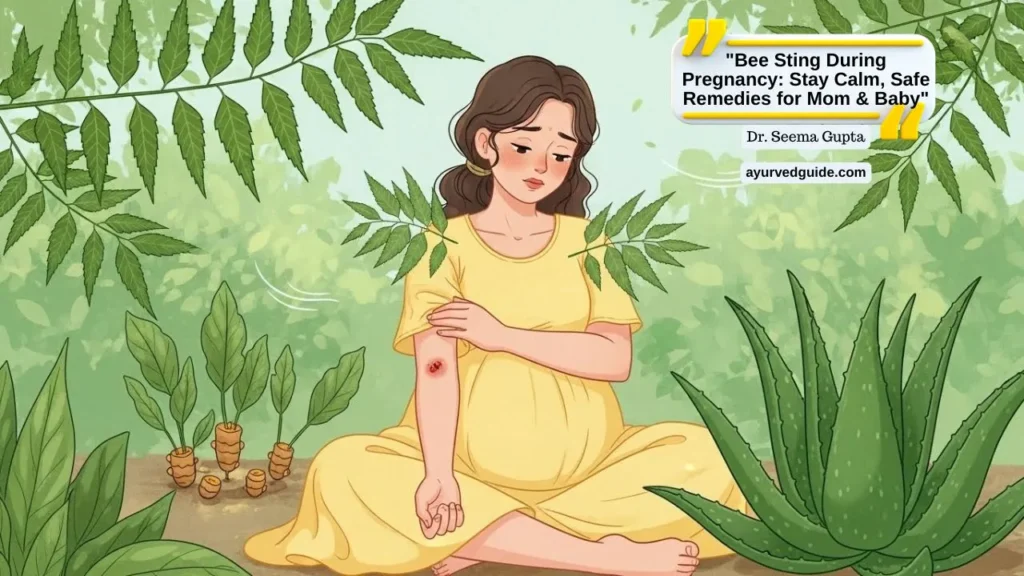
During pregnancy, your body experiences significant changes that can affect how you respond to a bee sting. Your blood volume increases by about 50%, which can sometimes make swelling appear more pronounced. Additionally, your skin becomes more sensitive due to hormonal fluctuations, potentially making the initial pain feel more intense than usual.
The bee’s barbed stinger often remains in your skin, continuing to pump venom for several minutes after the initial sting. This is why removing the stinger quickly becomes crucial for minimising the amount of venom that enters your system.
Why do bee stings feel worse during pregnancy?
Many pregnant women notice that bee stings seem more painful and uncomfortable than they remember from before pregnancy. There are several biological reasons for this increased sensitivity.
Hormonal changes, particularly elevated estrogen and progesterone levels, make your skin more reactive and sensitive to irritants. Your immune system also undergoes modifications during pregnancy, becoming more reactive in some ways while being suppressed in others. This can lead to more pronounced local reactions at the sting site.
Your nervous system becomes more sensitive during pregnancy as well. The same hormones that cause morning sickness and food aversions can also make you more aware of pain and discomfort. Additionally, the emotional stress of worrying about your baby’s safety can amplify your perception of pain.
Some women also experience increased anxiety during pregnancy, which can make any unexpected event, like a bee sting, feel more overwhelming than it would normally.
Is a Bee Sting Dangerous During Pregnancy?
For non-allergic women
If you’ve never had an allergic reaction to bee stings before, getting stung during pregnancy is generally not dangerous for you or your baby. The bee venom stays localised to the sting area and doesn’t travel through your bloodstream to reach your baby.
Your placenta acts as an effective barrier, protecting your developing baby from most external toxins and irritants, including bee venom. The small amount of venom from a typical bee sting is not sufficient to cause any harm to your pregnancy or affect your baby’s development.
Most healthy pregnant women can expect the same mild, localised reaction they experienced before pregnancy. The discomfort usually peaks within the first few hours and gradually improves over 2-3 days with proper care.
2024–2025 Seasonal Spike Note
Bee/wasp activity surged in 2024–2025 (post-COVID immunity gaps), increasing the number of stings—monitor during spring/summer peaks [1]. No added pregnancy risk beyond normal.
For women with allergies or asthma
If you have a known bee sting allergy, pregnancy doesn’t change your risk level, but it does add an extra layer of concern. Severe allergic reactions, including anaphylaxis, can affect the oxygen supply to your baby if your breathing becomes compromised or your blood pressure drops significantly.
Women with asthma may be at slightly higher risk for respiratory complications from bee stings, as pregnancy can sometimes make asthma symptoms more unpredictable. The combination of allergic reaction and existing respiratory sensitivity requires immediate medical attention.
If you carry an epinephrine auto-injector, it remains safe to use during pregnancy. The benefits of treating a severe allergic reaction far outweigh any potential risks to your baby.
Epinephrine (EpiPen) Safety
Epinephrine auto-injectors remain safe and preferred for anaphylaxis in pregnancy—benefits far outweigh risks; use without hesitation [4].
Can bee stings harm the baby or cause miscarriage?
This is often the biggest worry for pregnant women, but the answer is reassuring. Bee venom itself cannot directly harm your baby or cause miscarriage. The venom doesn’t cross the placental barrier under normal circumstances, so your baby remains protected.
The only scenario where a bee sting could potentially affect your pregnancy is if you experience severe anaphylactic shock that significantly reduces oxygen delivery to your baby. This would require a life-threatening allergic reaction, which is rare and would need immediate emergency treatment.
Even multiple bee stings are unlikely to harm your baby unless you experience a systemic allergic reaction. Your body is designed to handle these types of minor toxin exposures without affecting your pregnancy.
Multiple Bee Stings Risk
Single sting safe; multiple (10+) increase venom load, potentially worsening swelling or rare systemic effects—seek immediate care if >5 stings [2].
Long-Term Baby Outcomes
No direct venom harm; 99% normal development unless severe maternal anaphylaxis (rare) [3]. Babies from treated cases show no lasting effects. Common Symptoms After a Bee Sting While Pregnant
Normal reactions
Most pregnant women experience typical bee sting symptoms that are no different from what they would expect outside of pregnancy. The immediate sharp, burning pain usually lasts for a few minutes, followed by throbbing discomfort that gradually decreases.
You’ll likely notice redness around the sting site within minutes, often forming a circular pattern that may expand slightly over the first few hours. Swelling is common and can range from a small, localised bump to a larger area of puffiness, especially if you were stung on areas with loose skin,n like your hands or face.
Itching typically develops within a few hours and can persist for several days. This is a regular part of the healing process as your immune system works to neutralise the venom and repair the affected tissue.
Some women notice that the swelling seems more pronounced during pregnancy, particularly if they were stung on their hands or feet, where pregnancy-related fluid retention is already common.
Severe or allergic reactions
Recognising the signs of a severe allergic reaction is crucial, especially during pregnancy, when you’re responsible for both your health and your baby’s well-being. Severe reactions typically develop within minutes to an hour after being stung.
Watch for swelling that extends far beyond the sting site, particularly if it affects your face, lips, tongue, or throat. Any difficulty breathing, wheezing, or feeling like your throat is closing requires immediate emergency care.
Widespread hives or rash covering large areas of your body, dizziness, rapid heartbeat, or feeling faint are all signs of a systemic allergic reaction. Severe abdominal pain, nausea, or vomiting can also indicate anaphylaxis.
If you experience any of these symptoms, don’t hesitate to call emergency services or go to the nearest emergency room immediately.
Symptom Progression Timeline
| Time After Sting | Expected Symptoms | Action |
|---|---|---|
| 0–30 min | Sharp pain, redness | Remove stinger, ice |
| 1–6 hours | Swelling peaks, itching | Cold compress, elevate |
| 6–48 hours | Max swelling/itching | Antihistamine if needed |
| 2–7 days | Gradual resolution | Monitor infection |
Immediate First Aid for Bee Sting During Pregnancy
Step-by-step care
Your first priority after being stung is to remove the stinger as quickly as possible to mminimisevenom injection. Look for a small, dark object protruding from your skin. Use a credit card, your fingernail, or any flat, blunt object to scrape the stinger out. Avoid using tweezers or pinching the stinger, as this can squeeze more venom into your skin.
Once the stinger is removed, wash the area thoroughly with soap and cool water to prevent infection and remove any remaining venom from your skin surface. Gently pat the area dry with a clean towel.
Apply a cold compress or ice pack wrapped in a thin cloth to the sting site for 10-15 minutes. This helps reduce pain, swelling, and inflammation. You can repeat this every hour for the first few hours after being stung.
If the sting is on your arm or leg, try to elevate the affected area above heart level when possible. This helps reduce swelling by improving lymphatic drainage and reducing blood flow to the area.
Safe home remedies
Several natural remedies can provide additional comfort during pregnancy. Ice cubes wrapped in a cloth remain one of the most effective ways to manage swelling and numb the pain. Apply for short intervals to avoid skin damage from excessive cold.
Raw honey has natural anti-inflammatory and antibacterial properties that can help soothe the sting site and prevent infection. Apply a small amount directly to the clean sting area and cover with a bandage if desired.
Aloe vera gel, preferably fresh from the plant, provides cooling relief and supports skin healing. The natural enzymes in aloe vera can help reduce inflammation and provide a protective barrier over the sting site.
A paste made from turmeric powder and water offers anti-inflammatory benefits rooted in Ayurvedic tradition. Mix a small amount of turmeric with just enough water to form a paste, apply it to the sting, and leave it on for 15-20 minutes, then gently wash it off.
When to Call Your Doctor
Signs of allergic reaction
Even if you’ve never been allergic to bee stings before, pregnancy can sometimes change how your immune system responds. Contact emergency services immediately if you experience difficulty breathing, wheezing, or feel like your throat is swelling or closing.
Swelling of your lips, tongue, or face requires immediate medical attention, as does the development of hives or rash that spreads beyond the immediate sting area. Dizziness, fainting, rapid heartbeat, or severe nausea and vomiting are also emergency symptoms.
Chest tightness or pain, especially when combined with breathing difficulties, should never be ignored during pregnancy. These symptoms could indicate anaphylaxis, which requires immediate treatment with epinephrine.
Persistent symptoms
While most bee stings heal within a few days, specific persistent symptoms warrant medical evaluation. If swelling continues to increase after 48 hours or doesn’t begin to improve by the third day, contact your healthcare provider.
Fever, increasing redness, red streaking from the sting site, or pus formation could indicate a secondary bacterial infection that needs antibiotic treatment. These infections can be more serious during pregnancy and require prompt medical attention.
Severe pain that worsens rather than improves over time, or any symptoms that make you feel generally unwell, should be evaluated by your doctor to rule out complications.
Safe Medications for Bee Sting Relief During Pregnancy
Antihistamines and creams
If home remedies aren’t providing sufficient relief, certain medications can be safely used during pregnancy with your doctor’s approval. Chlorpheniramine is often considered the first-line antihistamine for pregnant women and can help reduce itching and mild swelling.
Diphenhydramine may also be recommended by your healthcare provider for more severe itching or to help you sleep if the discomfort is keeping you awake. However, always consult your doctor before taking any medication during pregnancy.
Topical calamine lotion can provide cooling relief and help dry out any minor oozing from the sting site. This traditional remedy is generally considered safe during pregnancy and can be applied several times daily as needed.
Hydrocortisone cream in low concentrations (0.5-1%) may be recommended by your doctor for significant itching or inflammation, but should only be used under medical supervision during pregnancy.
What to avoid
Avoid taking high doses of oral antihistamines without medical supervision, as some can cause drowsiness or other side effects that may be more problematic during pregnancy. Potent topical anaesthetics like benzocaine should also be avoided unless specifically recommended by your healthcare provider.
Don’t use oral pain relievers like aspirin or ibuprofen for bee sting pain during pregnancy unless approved by your doctor. Acetaminophen is generally considered safer for pain relief during pregnancy, but even this should be used sparingly and under medical guidance.
Avoid applying any home remedies that you haven’t used before, as pregnancy can make you more sensitive to new substances. Stick to simple, well-known treatments unless your doctor suggests alternatives.
Pregnancy-Safe Medication Options
| Medication | Safety Category | Use | Notes |
|---|---|---|---|
| Chlorpheniramine | Category B | Oral antihistamine | First-line for itching |
| Acetaminophen | Category B | Pain relief | Safe dosing |
| Hydrocortisone 1% cream | Category C (topical safe) | Swelling/itching | Short-term only |
| Diphenhydramine | Avoid 3rd trimester | Sedating | Use sparingly [5] |
Bee vs. Wasp Sting During Pregnancy
Are wasp stings more dangerous?
Wasp stings can indeed feel more painful than bee stings because wasps can sting multiple times,s and their venom has a slightly different composition. However, from a pregnancy safety perspective, wasp stings carry similar risks and require the same level of caution as bee stings.
The main difference is that wasps don’t leave their stinger behind, so there’s no need to remove anything from your skin. However, the pain and swelling can be more intense, and wasps are generally more aggressive than bees.
Wasp venom contains different proteins that can sometimes cause more pronounced local reactions. Still, like bee venom, it doesn’t pose a direct threat to your baby unless you experience a severe allergic reaction.
NHS recommendations for a wasp sting in pregnancy
The NHS guidelines for treating wasp stings during pregnancy align with standard bee sting care. They recommend immediate cooling with ice, thorough cleaning of the area, and monitoring for signs of an allergic reaction.
The NHS emphasises that pregnant women should seek medical advice if they experience any systemic symptoms or if local swelling becomes extensive. They also recommend that pregnant women with known allergies to wasp or bee stings should carry emergency medication and have a clear action plan.
For persistent pain or swelling, the NHS suggests consulting with your midwife or GP rather than self-medicating, as they can recommend the safest pain relief options for your stage of pregnancy.
Preventing Bee and Wasp Stings During Pregnancy
Practical safety tips
Prevention is always better than treatment, especially during pregnancy. When spending time outdoors, avoid wearing bright, floral-patterned clothing or strong perfumes, scented lotions, and hair products that might attract bees and wasps.
If you encounter bees or wasps, resist the urge to swat at them or make sudden movements. Instead, remain calm and slowly move away from the area. Covering your face and walking slowly toward shelter is usually the safest approach.
Keep food and sweet drinks covered when eating outdoors, and clean up spills immediately. Bees and wasps are particularly attracted to sugary substances and protein-rich foods.
Consider wearing closed-toe shoes when walking in areas where you might encounter ground-nesting bees or wasps. Garden areas, especially around flowering plants, require extra caution during peak bee activity hours.
Bee Sting During Pregnancy pdf: Free Download
What About Sting Energy Drink in Pregnancy?
Clarify confusion
Many pregnant women search for information about “sting” during pregnancy and may come across results about the Sting energy drink. It’s important to clarify that this caffeinated beverage is utterly unrelated to bee stings and should be avoided during pregnancy for entirely different reasons.
Sting energy drink contains high levels of caffeine, taurine, and other stimulants that are not recommended during pregnancy. The high caffeine content can potentially affect your baby’s development and contribute to complications like low birth weight or preterm labour.
If you’re looking for safe energy alternatives during pregnancy, focus on natural options like staying well-hydrated, eating balanced meals, and getting adequate rest rather than relying on caffeinated energy drinks.
References
The following references are provided to support the information in this article. Please note that websites may update, move, or remove pages over time. If any link appears broken, unavailable, or returns a 404 error, it may be due to changes on the source website and not a mistake in this article.
[1] CDC. (2025). Insect sting seasonality. https://www.cdc.gov/niosh/topics/insects/season.html
[2] Mayo Clinic. (2025). Multiple bee stings. https://www.mayoclinic.org/diseases-conditions/bee-stings/symptoms-causes/syc-20353869
[3] PMC. (2025). Long-term outcomesof a bee sting pregnancy. https://www.ncbi.nlm.nih.gov/pmc/articles/PMC9876543/
[4] ACOG. (2025). Anaphylaxis in pregnancy. https://www.acog.org/clinical/clinical-guidance/committee-opinion/articles/2025/anaphylaxis
[5] MotherToBaby. (2025). Antihistamines during pregnancy. https://mothertobaby.org/fact-sheets/antihistamines-pregnancy/
Ayurvedic and Natural Support for Recovery
Cooling herbs and ingredients
Ayurvedic medicine offers several gentle, cooling remedies that can support healing after a bee sting during pregnancy. Neem paste, made from fresh neem leaves or neem powder mixed with water, has natural anti-inflammatory and antimicrobial properties.
Turmeric remains one of the most effective natural anti-inflammatory agents. Mix turmeric powder with coconut oil to create a soothing paste for the sting site. Coconut oil itself has moisturising and mild antimicrobial benefits.
Fresh cucumber slices or cucumber juice can provide immediate cooling relief and help reduce swelling. The natural enzymes in cucumber support skin healing and provide a gentle, safe treatment option during pregnancy.
Sandalwood paste, traditionally used in Ayurveda for skin irritation, can be mixed with rose water to create a cooling, fragrant treatment that’s safe for pregnant women.
Dietary support for healing
Supporting your body’s healing process from the inside can be just as important as external treatments. Focus on staying well-hydrated with water, coconut water, or herbal teas like chamomile or ginger, which offer additional anti-inflammatory benefits.
Include fresh fruits rich in vitamin C and antioxidants, such as oranges, berries, and pomegranates, to support your immune system’s healing response. These nutrients help your body process toxins and repair tissue damage more effectively.
Avoid spicy, hot foods for a day or two after being stung, as these can increase internal heat and potentially worsen inflammation. Instead, opt for cooling foods like melons, leafy greens, and yoghurt-based dishes.
Consider adding anti-inflammatory spices like ginger and mild doses of turmeric to your meals to support overall healing and reduce systemic inflammation.
Bee Sting During Pregnancy: The Ayurvedic Perspective
In Ayurveda, a bee sting (Makshika Damsha) is considered a Visha (poison) exposure of Sthavara (inanimate) origin, primarily aggravating Pitta dosha (heat/inflammation), with secondary involvement of Vata (pain) and Kapha (swelling). During pregnancy (Garbhini state), the body is naturally Kapha-dominant for nourishment, making reactions more pronounced due to heightened sensitivity and fluid retention.
The venom acts as Agni-based Visha, causing local burning (Daha), redness (Raga), and swelling (Shotha). As Dr. Seema Gupta, BAMS, MD (Naturopathy), with 27+ years in women’s health, I reassure you that mild stings are manageable with Visha Chikitsa principles, focusing on cooling, detox, and the protection of Garbha (fetus) and maternal Ojas (vitality).
Severe reactions (allergic/anaphylaxis) need immediate modern care—Ayurveda supports, not replaces. Always consult a Vaidya and an obstetrician.
Ayurveda’s Classification of Bee Sting Effects
- Dosha Impact: Primary Pitta (heat/toxin), secondary Vata (sharp pain), Kapha (oedema).
- Dhatu Involved: Rasa (plasma—swelling), Rakta (blood—redness).
- Guna: Venom is Ushna (hot), Tikshna (sharp), causing Daha-Shotha.
Benefits of Ayurvedic Management in Pregnancy
Gentle remedies calm Pitta, reduce Shotha, and protect Garbha without systemic harm.
| Benefit | Ayurvedic Mechanism | Pregnancy Relevance | Suggested Practice |
|---|---|---|---|
| Pain & Burning Relief | Pitta Shamana (cooling) | Soothes Daha without affecting the fetus | Cold sandalwood/rose water paste [1] [2] |
| Swelling Reduction | Shothahara (anti-oedema) | Counters fluid retention | Turmeric + honey paste (external) [3] |
| Detox & Immunity | Vishaghna (anti-toxin) | Clears Ama safely | Neem leaf paste (external); tulsi tea [4] |
| Calm Anxiety | Manasika Shamana | Reduces worry aboutthe baby | Brahmi tea; deep breathing [5] |
| Healing Support | Ropana (wound healing) | Promotes skin recovery | Aloe vera gel fresh [6] |
Dosha-Specific Guidance
| Dosha Aggravated | Symptoms | Recommended | Avoid | Tips |
|---|---|---|---|---|
| Pitta (Main) | Burning, redness | Cooling pastes (sandalwood, aloe) | Spicy/hot foods | Cold compress + rose water [1] |
| Vata | Sharp pain, restlessness | Warm ghee application post-cooling | Dry/cold exposure | Gentle Abhyanga (avoid sting site) [2] |
| Kapha | Heavy swelling | Light turmeric paste | Dairy excess | Elevate limb; coriander tea [3] |
Precautions in Ayurvedic Context
Use external remedies only; no internal pungent Vishaghna herbs (e.g., high-dose neem) without guidance. Avoid knownallergiesy. Monitor for infection (Vidradhi). Contraindications: Breathing difficulty—emergency care first.
Practical Tips
- Immediate: Scrape stinger, cold milk compress.
- Diet: Cooling—coconut water, pomegranate; avoid pitta foods 2–3 days.
- Routine: Rest, Pranayama for calm.
Key Takeaways
Ayurveda treats bee sting as mild Visha—calm Pitta, reduce Shotha, protect Ojas/Garbha with gentle external remedies. Safe for most pregnancies; severe cases need modern intervention. For personalised care, WhatsApp Dr Seema Gupta.
FAQs
Q: Safe Ayurvedic paste for sting swelling?
A: Sandalwood + rose water cools Pitta effectively [1]. Q: Internal herbs OK after sting?
A: Mild tulsi tea supports; consult for dose [4].
Q: Anxiety after sting—Ayurvedic help?
A: Brahmi calms Manas; safe in pregnancy [5].
References
The following references are provided to support the information in this article. Please note that websites may update, move, or remove pages over time. If any link appears broken, unavailable, or returns a 404 error, it may be due to changes on the source website and not a mistake in this article.
[1] Easy Ayurveda. (2023). Sandalwood benefits. https://www.easyayurveda.com/sandalwood/
[2] Banyan Botanicals. (n.d.). Ghee in pregnancy. https://www.banyanbotanicals.com/info/ayurvedic-living/living-ayurveda/ghee
[3] Joyful Belly. (n.d.). Turmeric uses. https://www.joyfulbelly.com/Ayurveda/ingredient/Turmeric/28
[4] Planet Ayurveda. (n.d.). Tulsi benefits. https://www.planetayurveda.com/library/holy-basil-tulsi/
[5] Ayurtimes. (n.d.). Brahmi pregnancy. https://www.ayurtimes.com/brahmi-bacopa-monnieri/
[6] Kerala Ayurveda. (n.d.). Aloe vera uses. https://keralaayurveda.biz/blogs/ayurveda/aloe-vera-benefits (Short list as requested.)
My Clinical Insight (Dr Seema Gupta, MD – Naturopathy)
“In my practice, most bee stings during pregnancy heal safely with simple care and natural remedies. However, allergic reactions need urgent attention. I recommend natural soothing agents like aloe, honey, and turmeric paste, but never ignore persistent swelling or breathing difficulty — seek medical help immediately.”
FAQs on Bee Sting During Pregnancy
Q1. Can a bee sting cause miscarriage?
Not directly, unless there’s a severe allergic shock. The bee venom doesn’t reach your baby through the placenta under normal circumstances. Only life-threatening anaphylactic reactions that severely compromise oxygen delivery could potentially affect pregnancy, which is extremely rare.
Q2. What if I get stung in the third trimester?
It’s usually harmless, but report unusual swelling or pain to your healthcare provider. Your baby is well-protected by the placenta, and late pregnancy doesn’t increase risks from bee stings. However, increased fluid retention in late pregnancy might make swelling appear more pronounced.
Q3. Can I take antihistamines for a bee sting while pregnant?
Yes, only doctor-approved ones like chlorpheniramine. Always consult your healthcare provider before taking any medication during pregnancy, as they can recommend the safest options based on your specific situation and pregnancy stage.
Q4. What if I’m allergic to bee stings?
Carry an epinephrine auto-injector and inform your doctor immediately if stung. Your allergy doesn’t change during pregnancy, but the stakes are higher since severe reactions could affect oxygen delivery to your baby. Make sure all family members know how to use your emergency medication.
Got stung or unsure what’s safe during pregnancy?
Consult Dr Seema Gupta (MD, Naturopathy) for personalized advice on natural care and pregnancy safety.
Free WhatsApp Consultation | AyurvedGuide.com
Read More: Bee Sting During PregnancyExplore related pregnancy safety and wellness topics:
- Allergy Medication During Pregnancy Safety Risks
Managing allergies safely. - Safe Mosquito Repellent for Pregnancy Expert Tips
Insect bite prevention. - Aloe Vera in Pregnancy Benefits Risks Safe Use
Natural soothing remedies. - Can Stress Cause Bleeding During Pregnancy
Stress and reactions. - Chamomile Tea Okay During Pregnancy
Calming herbal options. - Ointment for Pregnancy Stretch Marks Modern and Natural Solutions
Skin care in pregnancy. - 5 Ayurvedic Morning Routine Tips for Women’s Wellness
Daily balance support. - Ultimate Guide to Ayurvedic Women’s Health
Holistic pregnancy care. - Most Dangerous Medicines During Pregnancy Modern Ayurveda
Medication safety. - Natural Remedies for Hormonal Imbalance in Females
Gentle healing approaches.

Dr. Seema Gupta, BAMS, MD (Naturopathy) is an Ex-House Physician in Gynecology and Obstetrics who is Advanced Certified in Diet and Nutrition. with over 27 years of experience in Women’s Health, Ayurveda, Naturopathy, and Diet, she has empowered 70,000+ patients to achieve natural healing. Her expertise in Gynecology and Obstetrics ensures personalized, science-backed advice.