ayurvedguide.com

Womencare

How to Get Periods Fast Naturally at Home
Period, Womencare

How to Get Periods Fast Naturally at Home: 12 Proven Remedies, Drinks, and Yoga Tips

How to Get Periods Fast Naturally at Home – Late or irregular periods can cause significant anxiety, especially for those tracking their cycles for various reasons. When menstruation doesn’t arrive on schedule, many individuals search for safe, natural methods to induce their period rather than immediately turning to medication. Irregular or Delayed Periods Menstrual cycles typically range from 21 to 35 days, with the period itself lasting 2 to 7 days. A period is considered delayed when it arrives later than expected based on an individual’s regular cycle. Irregular periods occur when the length between cycles consistently varies by more than 7-9 days. Several factors can contribute to menstrual irregularities: Why Many Seek Natural Ways to Induce Periods The preference for natural remedies to induce menstruation stems from several practical considerations: How to Get Periods Fast Naturally at Home When seeking to induce periods naturally at home, several methods have shown effectiveness for many individuals. These approaches typically work by either increasing body temperature, stimulating the uterus, or balancing hormones naturally. Effective natural methods include consuming certain herbs like ginger, turmeric, and parsley tea, which can stimulate uterine contractions. Regular exercise, particularly activities that engage the pelvic region, can increase blood flow to the reproductive organs. Stress reduction techniques are equally important, as cortisol imbalances often disrupt menstrual timing. Proper hydration and specific dietary adjustments, including the incorporation of vitamin C-rich foods, may also help regulate menstrual cycles. While these methods are generally safe, it’s important to approach them mindfully and consult healthcare providers when experiencing prolonged delays or other concerning symptoms. Why Your Period Might Be Late Stress, Hormonal Imbalance, PCOS, Lifestyle Changes A menstrual cycle can be delayed due to various factors that affect the body’s hormonal balance. Stress stands as one of the primary culprits, as it triggers the release of cortisol, which can interfere with the normal production of reproductive hormones. When the body experiences high stress levels, the hypothalamus—the part of the brain that regulates hormones—may function improperly, potentially delaying or even stopping menstruation temporarily. Hormonal imbalances unrelated to stress can also cause late periods. These imbalances may stem from thyroid disorders, significant weight fluctuations, or conditions like Polycystic Ovary Syndrome (PCOS). PCOS affects approximately 8-13% of reproductive-age women and is characterized by irregular periods due to elevated androgen levels and multiple small cysts on the ovaries. Lifestyle changes often contribute to menstrual irregularities. These include: When to Worry and When It’s Normal Occasional variations in the menstrual cycle are considered normal. Most women experience cycle lengths between 21-35 days, with periods lasting 2-7 days. A delay of a few days generally isn’t cause for concern, particularly if accompanied by lifestyle changes or stress. However, certain situations warrant medical attention: For sexually active women, pregnancy remains the most common reason for a missed period and should be ruled out first before considering other causes. How to Get Periods Immediately if Delayed When periods are delayed but pregnancy isn’t a factor, several natural methods may help induce menstruation: Ginger tea consumption has been shown to increase heat in the body and potentially stimulate menstruation. Preparing 2-3 cups daily might help regulate hormonal activity. Vitamin C-rich foods may help reduce progesterone levels, potentially triggering menstruation. Consuming citrus fruits, bell peppers, and berries can provide this essential nutrient. Gentle exercise increases blood circulation to the pelvic region, potentially stimulating uterine contractions. Activities like brisk walking, cycling, or swimming for 30 minutes daily may prove beneficial. Warm compresses applied to the lower abdomen can relax uterine muscles and increase blood flow to the area, potentially inducing menstruation when combined with other methods. Herbal teas containing parsley, cinnamon, or turmeric possess properties that might stimulate menstrual flow, though these should be used with caution and in moderation. Best Natural Ways to Get Periods Fast at Home Foods That Help Start Periods Certain foods can naturally stimulate menstruation by influencing hormone levels and increasing blood flow to the pelvic region. Incorporating these foods into the daily diet may help induce periods: Adding vitamin C-rich foods like citrus fruits can also help by affecting estrogen and progesterone levels in the body. Powerful Herbal & Home Remedies Several herbs have been traditionally used to promote menstruation: A warm compress applied to the lower abdomen for 15-20 minutes can also increase blood flow to the uterus and potentially induce periods. Effective Drinks to Induce Periods Several beverages can help stimulate menstruation: These natural methods work best when combined with proper hydration and stress management. While these remedies are generally safe, effectiveness varies from person to person, and results may take a few days to manifest. Exercises & Yoga to Induce Periods Physical activity can significantly influence menstrual cycles by improving blood circulation to the pelvic region and regulating hormonal balance. Specific exercises and yoga poses have been traditionally used to help stimulate menstruation naturally when it’s delayed. Light Cardio, Squats, Surya Namaskar Light Cardio: Engaging in moderate aerobic exercises for 30 minutes daily can help regulate menstrual cycles. Walking, jogging, or cycling increases blood flow throughout the body, including the pelvic region, potentially triggering menstruation. Squats: This effective exercise targets the pelvic muscles and increases blood circulation to the uterus. Surya Namaskar (Sun Salutation): This sequence of 12 powerful yoga poses stimulates the reproductive organs and helps balance hormones. Yoga Poses: Malasana, Baddha Konasana Malasana (Garland Pose): Baddha Konasana (Butterfly Pose): Regular practice of these exercises and yoga poses not only helps induce periods but also alleviates menstrual discomfort, regulates cycles, and improves overall reproductive health. For optimal results, perform these activities daily, particularly in the days when a period is expected. When practicing these exercises, it’s important to listen to the body and avoid overexertion. The goal is gentle stimulation, not strain. Combining these physical activities with proper hydration and stress management techniques creates a holistic approach to naturally inducing menstruation. Quick Tricks: How to Get Periods Fast or Overnight When menstruation is delayed, certain methods may help induce periods quickly, sometimes

Cryptic Pregnancy With Period
Pregnacy Care, Womencare

Cryptic Pregnancy With Period: Can You Really Be Pregnant and Still Bleed?

In this blog post, we explore the unusual yet possible experience of a cryptic pregnancy with period—when a woman is pregnant but still bleeds monthly. Learn how subtle symptoms, low hormone levels, and medical or hormonal factors can cause pregnancy to go unnoticed. We also share insights from Modern Ayurveda 2025, explaining how imbalances in Vata and Artava Dhatu may contribute to continued bleeding and hidden pregnancy signs.

Pregnancy Test Kit Results
Period, Pregnacy Care, Womencare

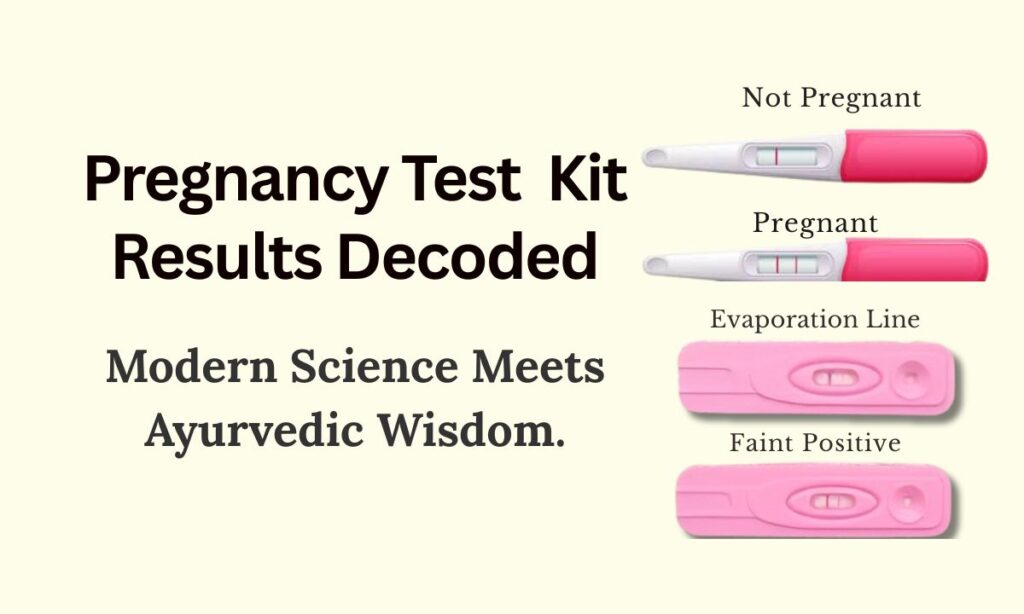
Pregnancy Test Kit Results: How to Read Positive, Negative, and Faint Lines [With Pictures]

In this post, you’ll learn how to correctly use and read a pregnancy test kit at home—whether the result is positive, negative, or shows a faint line. We’ll also explain the right time to test, common mistakes to avoid, and what to do after getting your result. Plus, discover how Ayurveda interprets early pregnancy signs (Garbha Lakshana) and blends ancient wisdom with modern testing for a more holistic understanding.

How to Stop Period Pain Immediately at Home
Period, Women’s Health

How to Stop Period Pain Immediately at Home: A Complete Guide with Ayurveda insights

Period pain can be managed with natural remedies, dietary changes, and targeted exercises. Understanding its causes, including Ayurvedic insights, helps in finding effective relief. For severe or persistent pain, lifestyle adjustments and medical consultation are essential. Struggling with unbearable period pain? You’re not alone. Millions of women experience cramps that disrupt daily life, but relief is within reach. This guide reveals 16 effective ways to stop period pain at home, including natural remedies, Ayurveda, lifestyle changes, and targeted exercises.  Learn the root causes of severe cramps and discover practical solutions to prevent them. Whether looking for instant relief or long-term management, this guide has everything you need to make your periods more comfortable. Whether you’re a teenager experiencing your first menstrual cycle or a woman seeking long-term solutions, this guide has something for everyone. Let’s journey to reclaim your comfort and well-being during that month.  How to Stop Period Pain Immediately at Home Understanding period pain: Why does it happen? Period pain, also known as dysmenorrhea, occurs when the uterus contracts to shed its lining. This process involves the release of prostaglandins, hormone-like substances that cause inflammation and pain. The severity of pain varies among individuals and can be influenced by factors such as hormonal imbalances, uterine fibroids, or endometriosis. Common symptoms of period pain include: The difference between mild and severe period cramps Understanding the distinction between mild and severe period cramps is crucial for determining appropriate treatment options: Aspect Mild Cramps Severe Cramps Duration 1-2 days 3+ days Pain Intensity Manageable Debilitating Impact on Daily Activities Minimal disruption Significant interference Response to OTC Pain Relievers Generally effective Often ineffective Associated Symptoms Few or none May include nausea, vomiting, or dizziness Mild cramps are typically manageable with home remedies and over-the-counter pain relievers. However, severe cramps may indicate underlying health issues and might require medical attention. If experiencing persistent severe pain, it is advisable to consult a healthcare professional for proper diagnosis and treatment. Ultimate Guide to Ayurvedic Women’s Health 16 Things You Can Do at Home to Relieve Period Cramps Quick and Effective Home Remedies 1. Apply Heat Applying heat is one of the most effective ways to alleviate period cramps. Heat therapy relaxes the uterine muscles and improves blood flow, significantly reducing pain and discomfort. Methods of Applying Heat: Benefits of Heat Therapy: Benefit Explanation Pain relief Relaxes uterine muscles Improved blood flow Reduces inflammation Stress reduction Promotes relaxation Non-invasive No side effects 2. Drink Herbal Teas – How to Stop Period Pain Immediately at Home Herbal teas offer natural relief from menstrual cramps due to their anti-inflammatory and antispasmodic properties. Some beneficial herbal teas include: These teas not only help alleviate cramps but also provide hydration and relaxation. For best results, drink 2-3 cups of herbal tea daily during menstruation. 3. Take Magnesium-Rich Foods Magnesium plays a crucial role in muscle relaxation and can help reduce the severity of menstrual cramps. Incorporating magnesium-rich foods into the diet may provide relief from period pain. Include magnesium-rich foods like leafy greens, nuts, seeds, and avocados to support muscle relaxation and ease discomfort. 4. Try Essential Oils  Essential oils, especially lavender and clary sage, are known for their calming effects. Massaging these oils on your lower abdomen may help relax the muscles and relieve pain. 5. Hydrate Well  Staying hydrated is key. Water helps prevent bloating, which can exacerbate cramps, and keeps your body functioning smoothly. Drinking plenty of water can help keep discomfort at bay. 6. Eat Anti-Inflammatory Foods – How to Stop Period Pain Immediately at Home Inflammation can worsen cramping, so incorporating anti-inflammatory foods like turmeric, flaxseeds, and omega-3-rich foods such as walnuts and chia seeds into your diet can help reduce the pain. 7. Practice Deep Breathing  Deep breathing exercises are simple but powerful. Taking a few minutes to breathe deeply can help reduce stress, relax your muscles, and make it easier to cope with the pain. 8. Use Acupressure  Acupressure involves applying gentle pressure to specific points on your body, which has been shown to help with pain relief. Try pressing the spot between your thumb and index finger for a few moments to see if it eases the cramps. Lifestyle Adjustments for Long-Term Relief 9. Regular Exercise  Exercise might be the last thing you want to do when in pain, but light physical activity can significantly reduce cramps. Walking, cycling, or swimming improves circulation and helps relax the muscles in the abdomen, easing discomfort. 10. Yoga and Stretching  Specific yoga poses like Child’s Pose, Cat-Cow, and Reclining Twist can help release tension in the lower abdomen and pelvis. These stretches help your muscles relax and improve flexibility, reducing the intensity of cramps. 11. Improve Sleep Quality  Poor sleep can exacerbate cramps. Aim for a good night’s sleep by keeping a consistent schedule and finding a comfortable position. Try sleeping in a fetal position to relieve pressure on the abdomen. 12. Follow a Balanced Diet  A well-balanced diet of fruits, vegetables, and whole grains helps keep your hormones in check. Avoid excessive caffeine, processed foods, and sugar, which can contribute to hormonal imbalances and inflammation. 13. Reduce Stress – How to Stop Period Pain Immediately at Home Stress can make period cramps worse. Incorporating mindfulness practices like meditation, journaling, or simply spending time in nature can help you relax and reduce stress, making cramps more manageable. 14. Try Ayurvedic Remedies  Ayurveda offers a range of herbs that can help balance hormones and reduce cramps. Herbs like Ashwagandha, Shatavari, and Triphala are known to support menstrual health and may provide relief from period pain. 15. Monitor Your Cycle  Keeping track of your period cycle can help you anticipate when cramps are likely to occur. This way, you can plan ahead and start using remedies early, minimizing discomfort. 16. Reach Orgasm While it may feel unconventional, having an orgasm can help alleviate period cramps. Orgasms release endorphins, the body’s natural painkillers, and help to relax the pelvic muscles. Releasing tension in the lower abdomen can provide immediate relief from

Scroll to Top