
ayurvedguide.com

Womencare

Ragi During Pregnancy First Trimester
Pregnacy Care, Womencare

Ragi During Pregnancy First Trimester – Empower Your Pregnancy Journey

Ragi During Pregnancy First Trimester – Pregnancy is a life-changing experience, and good nutrition is essential for the health of both the woman and the baby. Every vitamin is important in the first trimester because it sets the stage for your baby’s growth. Try ragi – it’s packed with important nutrients and could improve your pregnancy diet. What is ragi, and why is it becoming popular with expecting mothers? Ragi -Finger millet is an ancient grain that has been a key food in many countries for hundreds of years. Its great nutrients make it a possible superfood for pregnant women, especially in the important early months. Many expectant mothers are confused by contradictory information about whether ragi is helpful in the first stage of pregnancy. “Learn nutrition tips in our Women’s Health Guide.” In this article, we will learn about ragi and how it affects pregnancy. I will explain the nutrition, benefits, and possible side effects of adding this healthy grain to your diet during pregnancy. I’ll share tasty recipes and answer common questions to help you decide if ragi should be part of your meals in the first trimester.  What is Ragi? What is Ragi? Ragi, or finger millet, is a nutritious grain that has been grown for thousands of years in different regions of Africa and Asia. This old grain is very famous in southern India and is a main part of their diet. Ragi is well-known for being highly nourishing and offering many health benefits. Characteristics of Ragi Nutritional Composition Nutrient Amount per 100g Calories 320 kcal Protein 7.3g Fiber 3.6g Calcium 344mg Iron 3.9mg Ragi is a flexible grain that can be used in many ways when cooking. The popularity of it has increased recently because it is gluten-free and may have health benefits. This makes it a great option for people with restrictions on their diet or those looking to eat healthier.  Why Garbh Sanskar Matters Is Ragi Good for Pregnancy? Ragi, also known as finger millet, is indeed an excellent addition to a pregnant woman’s diet, especially during the first trimester. Its numerous nutritional benefits make it a valuable food choice for expectant mothers.  Macronutrients and Micronutrients Ragi has it all. According to the FSSAI, ragi is the richest source of calcium and minerals. It also contains iron, amino acids, and antioxidants mandatory for fetal growth. Regular intake of ragi can help strengthen bones and teeth and also aids in the skeletal development of the fetus. Ragi contains higher levels of calcium and iron that help stimulate breast milk production and hormonal balance. The rare component methionine present in ragi reduces blood cholesterol, keeping you relaxed, and aids in the overall health of skin and hair. Nutritional Benefits for Pregnancy – Ragi During Pregnancy First Trimester Ragi offers a range of essential nutrients that are particularly beneficial during pregnancy: Why Ragi is Recommended Here’s a comparison of ragi with other common grains: Nutrient Ragi Wheat Rice Calcium High Low Low Iron High Medium Low Fiber High Medium Low Protein High Medium Low Ragi Benefits for Pregnant Women Ragi is a healthy food that’s great for pregnant women, benefiting both their health and the baby’s. Its high calcium content is especially important in the first trimester when the baby starts to build its bones. Also, the iron in ragi helps stop anemia, which is a typical issue during pregnancy. Now that we know how good ragi is for pregnancy, let’s look closely at its nutrition. Nutritional Value of Ragi High Calcium Content  Ragi is a great source of calcium, with about 344mg in every 100g. This is much more than most other grains, making it especially good for pregnant women who need more calcium.  Natural Fats  Ragi is low in fat but has healthy fats that are important for fetal brain development and hormone regulation during pregnancy.  Gluten-Free  Ragi is safe for pregnant women who are sensitive to gluten or have coeliac disease. Since it doesn’t contain gluten, it is easy to digest and less likely to cause allergic reactions.  Rich in Minerals  Ragi is packed with essential minerals: Mineral Benefits during pregnancy Iron Prevents anemia Phosphorus Supports bone health Magnesium Reduces muscle cramps Zinc Boosts immune function Helps in Supplying Protein to Various Parts of the Body Ragi is a good source of protein, which is important for the growth of the baby and the health of the mother. It has a good mix of amino acids, which helps keep you healthy during pregnancy. Now that we know about ragi’s diet, let’s look at its benefits for pregnant women. Benefits of Ragi During Pregnancy Source of essential nutrients Ragi is filled with important nutrients that are very beneficial for both mothers and their babies during pregnancy. It contains a variety of minerals, vitamins, and helpful substances: Nutrient Benefit Calcium Supports bone development Iron Prevents anemia Fiber Aids digestion Protein Promotes fetal growth Vitamin C Boosts immunity Manages insomnia Expecting mothers often struggle with sleep issues. Ragi contains amino acids that help: Enhances breastmilk production While primarily beneficial in later stages, consuming ragi during the first trimester can set the foundation for improved lactation. Its nutrient profile supports: Prevents gestational diabetes Ragi’s low glycemic index helps: Relieves stress The magnesium content in ragi acts as a natural stress reliever by: Controls cholesterol levels Ragi’s fiber content aids in: Prevents anemia Iron-rich ragi is crucial for: How Much Ragi is Safe to Eat During Pregnancy? Recommended Daily Intake Pregnant women can easily eat 50-100 grams of ragi each day. This amount gives important nutrients without overloading the digestive system. It’s important to slowly add ragi to your diet, especially if you’re not used to it. Factors Affecting Consumption Several factors influence the safe amount of ragi consumption during pregnancy: Consumption Guidelines Trimester Recommended Intake Notes First 30-50 grams/day Start with smaller amounts Second 50-75 grams/day Gradually increase intake Third 75-100 grams/day Monitor for any discomfort Tips for Safe Consumption Remember that, while ragi is nutritious,
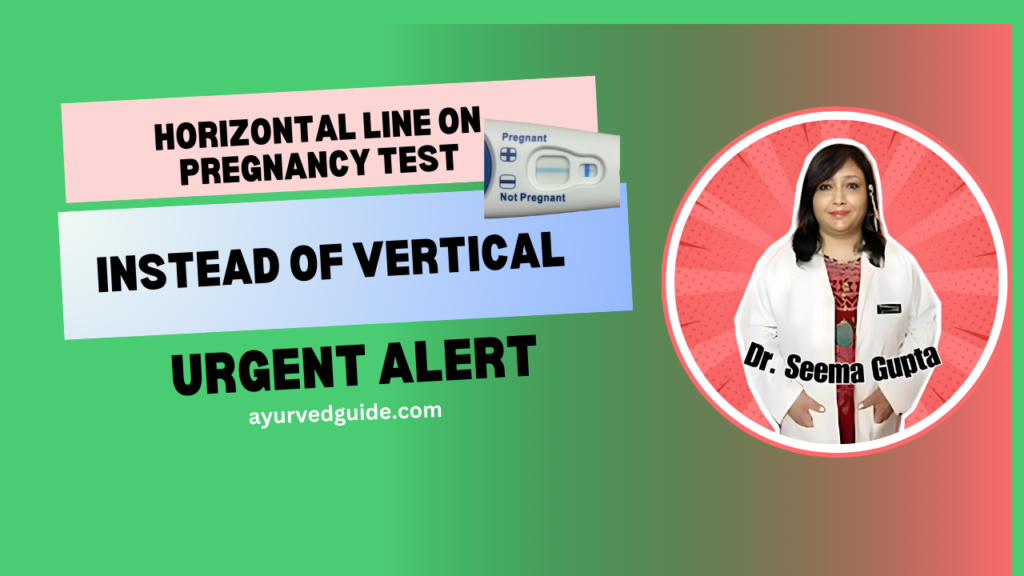

Horizontal Line on Pregnancy Test Instead of Vertical
Womencare

Horizontal Line on Pregnancy Test Instead of Vertical: Urgent Alert

If you see a horizontal line instead of the expected vertical one on your pregnancy test, it usually indicates an error. Most pregnancy tests are designed to show a vertical line when the test is working properly. A horizontal line often means the test is invalid or has malfunctioned. Always check the test instructions and ensure you’re using the test correctly for accurate results.

MTP full form in Biology
Pregnacy Care, Womencare

MTP full form in biology – What it is and Why It Matters?

MTP stands for Medical Termination of Pregnancy. It is a legal and medically approved procedure used to end a pregnancy under specific conditions. Understanding MTP is important for women’s reproductive rights, health safety, and informed decision-making. It is typically performed using medication or minor surgical methods and is time-sensitive, often limited to the first trimester.

how to Calculate Ovulation day
Period, Womencare

How to Calculate Ovulation Day – From Confusion to Clarity

Understanding your menstrual cycle is essential for family planning, whether you want to conceive or avoid pregnancy. At the root of this knowledge is a fundamental question: how do you calculate your ovulation day? This critical point in your cycle can make all the difference in reaching your reproductive goals. Tracking ovulation might be confusing for some women. The timing might be unclear, and the signals are not always noticeable. But do not be afraid! Mastering the skill of predicting your ovulation day will provide important insight into your body’s rhythms and dramatically boost your chances of success, whether you want to start a family or keep your current on. “Discover ovulation tips in our Women’s Health Guide.” In this article, I will explain how to calculate ovulation day. We’ll examine the menstrual cycle, how ovulation affects conception, and practical measures for increasing fertility. You’ll discover how to identify your viable window for different cycle durations, how age and contraceptives affect fertility, and when to seek professional help. What is Ovulation? Ovulation is the midpoint of your menstrual cycle.Ovulation occurs when a mature egg is released from the ovary, typically midway through your menstrual cycle. This egg travels through the fallopian tube and remains viable for fertilization for about 12–24 hours. Understanding the Menstrual Cycle The menstrual cycle is a complex series of hormonal changes that occur in a woman’s body, typically lasting between 28 to 35 days. To understand how to calculate ovulation day, it’s important to first grasp the four main phases of the menstrual cycle: Menstrual Phase This phase marks the beginning of the cycle, characterized by the shedding of the uterine lining. It typically lasts 3-7 days. Follicular Phase Following menstruation, the follicular phase begins. During this time, follicles in the ovaries develop, and estrogen levels rise. Ovulation Phase Ovulation occurs when a mature egg is released from the ovary. This usually happens around day 14 in a 28-day cycle. Luteal Phase After ovulation, the luteal phase begins. The body prepares for potential pregnancy, and if fertilization doesn’t occur, the cycle starts again. Key Hormones in the Menstrual Cycle Understanding the hormonal changes throughout the cycle is essential for tracking ovulation. Here’s a breakdown of the primary hormones involved: Hormone Function Peak Time Follicle Stimulating Hormone (FSH) Stimulates follicle growth Early follicular phase Luteinizing Hormone (LH) Triggers ovulation Just before ovulation Estrogen Thickens uterine lining Rises throughout follicular phase Progesterone Prepares uterus for implantation Rises after ovulation Tracking the Menstrual Cycle To accurately calculate ovulation day, it’s important to track the menstrual cycle. Here are some methods: Variations in Cycle Length It’s important to note that not all menstrual cycles are the same length. Factors that can affect cycle length include: Understanding these variations is important when calculating ovulation day, especially for those with irregular cycles. Now that we have covered the basics of menstrual cycle, let’s explore how ovulation relates to conception and the fertile window. How To Make Your Baby Intelligent During Pregnancy and Beyond Ovulation and conception How to calculate ovulation day Calculating ovulation is essential if you are trying to become pregnant or avoid pregnancy. It focuses on learning about your menstrual cycle and tracking the fertile window. The cycle length can vary from person to person, although the average cycle is 28 days. Now, I will tell you how to calculate the ovulation days, the most fertile days, and the days when the chances of conception are maximum. To determine your ovulation day: First, you should know that the average menstrual cycle is 28 days. It can range from 21 to 35 days in adults but up to 45 days in young teens. A cycle is counted from the first day of the first period to the first day of the next period. How to calculate ovulation day with example In order to calculate the ovulation days, first of all, calculate the length of your cycle. How will you calculate the length of your cycle? Start counting on the first day of your cycle. For example, if you have periods on the 1st of January, mark this date, and count up to the first day of your next cycle. For example, if your next cycle begins on the 28th of January, you have to mark this date. So, your cycle is of 28 days. Let us do another example to calculate the length of the cycle. For instance, if someone’s periods started on the 1st of January, you will mark this date on your calendar. Then count up to the first day of the next cycle. For example, if the first day of the next cycle is the 30th of January, the length of the cycle will be 30 days. So, from the first day of the previous cycle to the first day of the next cycle will tell you the length of your cycle. If your period begins on the 1st of January, you will mark this date and count up to the first day of your next cycle. For example, if the next cycle begins on the 21st of January, the length of your cycle will be 21 days. How to calculate ovulation date for 35 days If the periods begin on the 1st of January and the next cycle begins on the 4th of February, the length of the cycle will be 35 days. In this way, you will calculate the length of your cycle. As we have discussed earlier, the menstrual cycle can be divided into four phases: menstruation, the follicular phase, ovulation, and the luteal phase. Just remember, the follicular phase is not a constant phase, while the luteal phase is a constant phase. The luteal phase is about 12 to 14 days. How to calculate ovulation date for 28 days cycle To calculate the ovulation days, first calculate the length of your cycle and subtract the luteal phase days, which on average are 14 days. For example, if the length of your cycle is 28 days, subtract

Does Kissing Cause Pregnancy
Womencare

Does Kissing Cause Pregnancy? What You Need to Know to Avoid Misconceptions!

Brief Overview The article “Does Kissing Cause Pregnancy” clarifies that kissing, including forms like French kissing and neck kissing, does not lead to pregnancy, as it lacks the exchange of reproductive cells necessary for conception. Pregnancy requires sperm to fertilize an egg, typically through sexual intercourse or direct genital contact. Despite the abundance of information available, there are still many myths and misconceptions about human sexuality and reproduction. Many individuals, especially teens, are asking the same question: “Does kissing cause pregnancy?” This seemingly simple query can lead to various relevant topics, including sexual health, pregnancy prevention, and reproductive biology. Worry and ignorance lead couples to believe that a French kiss will result in a pregnancy or that a tight embrace will cause them to rush to the drugstore. But do not be afraid! In this article, I will use scientific evidence to answer common questions about pregnancy, intimacy, and contraception, and will clear all the doubts, Does Kissing Cause Pregnancy – Can You Get Pregnant by Kissing The Science Behind Kissing and Pregnancy – Can you get pregnant from kissing Kissing, while a romantic act, does not directly result in pregnancy. Pregnancy occurs when a sperm cell fertilizes an egg, necessitating sexual intercourse or other forms of direct genital touch. Here’s why kissing alone won’t get you pregnant: Bodily Fluids Involved in Kissing vs. Pregnancy – Kiss Can Cause Pregnancy Bodily Fluid Present in Kissing Necessary for Pregnancy Saliva Yes No Sperm No Yes Vaginal Fluid No Helps, not essential Misconceptions About Kissing and Pregnancy – Kissing Can Cause Pregnancy Kissing and Sexual Health – Do Kissing Cause Pregnancy While kissing doesn’t cause pregnancy, it’s important to note: Understanding these facts helps dispel myths and promotes informed decision-making in relationships. Remember, pregnancy requires specific biological processes that kissing alone cannot initiate. Can kissing cause delay in periods – Can a Kiss Get You Pregnant Physical and Emotional Factors Kissing itself does not directly cause a delay in periods. However, it can indirectly affect menstrual cycles through various physical and emotional factors: Factor Impact on Menstrual Cycle Stress Can disrupt hormonal balance Arousal May affect hormone levels Lifestyle changes Can influence cycle regularity Stress and Hormonal Balance Psychological Factors – Can Kissing Make You Pregnant Other Possible Causes of Delayed Periods It’s important to consider other factors that may coincide with new romantic experiences: While kissing alone cannot cause pregnancy or directly delay periods, it’s important to understand that changes in relationships and lifestyle can impact menstrual cycles. If period delays persist, consulting a doctor is advisable to rule out any underlying issues. French kiss cause pregnancy? Does French Kiss Cause Pregnancy The Science Behind French Kissing and Pregnancy French kissing, also known as deep kissing or tongue kissing, involves intimate contact between partners’ mouths and tongues. While it can be a passionate and enjoyable experience, it’s important to understand that French kissing alone cannot cause pregnancy. Why French Kissing Doesn’t Lead to Pregnancy French kissing does not involve the exchange of reproductive cells necessary for conception. Here’s a breakdown of why: Aspect French Kissing Pregnancy Requirements Sperm Not present Required Egg Not involved Required Reproductive tract No contact Direct contact needed Misconceptions and facts. Some people wrongly assume that swallowing saliva during French kissing can cause pregnancy. This is a myth. Saliva contains no sperm cells, and even if it did, the digestive system would destroy them before they reached the reproductive organs. Pregnancy Risk Factors: While French kissing does not induce pregnancy, it is frequently part of intimate encounters that might progress to sexual activity. It’s critical to understand: Read more, What Is Cryptic Pregnancy? Symptoms, Causes, Myths, Diagnosis, and Treatment Pregnancy happens through sexual intercourse. Sperms must fertilize an egg. Contraception is required to avoid unplanned pregnancy. Now that we’ve established that French kissing does not cause pregnancy, let’s look into another prevalent concern: if lip kissing during menstruation can lead to conception. Lip Kissing During Periods and Pregnancy – Does Kissing in Periods Cause Pregnancy Lip kissing during menstruation cannot result in pregnancy. This is because pregnancy needs the fertilization of an egg with sperm, which occurs during sexual intercourse. Kissing alone, regardless of menstrual cycle phase, does not result in the exchange of reproductive cells required for pregnancy. Periods and Pregnancy Risk The following factors contribute to the decreased probability of pregnancy during menstruation: Egg release: Ovulation usually happens 14 days before the next period. The uterus sheds its lining during menstruation. Cervical mucus is thicker and less friendly to sperm at this time. Phase of Menstrual Cycle Pregnancy Risk Reason Menstruation Low No egg present, uterine lining shedding Follicular Increasing Approaching ovulation Ovulation Highest Egg released and viable Luteal Decreasing Egg no longer viable if unfertilized Kissing and Sexual Health While kissing cannot lead to pregnancy, it’s important to note that it can potentially transmit certain infections. Some sexually transmitted infections (STIs) can be passed through saliva or oral contact, including: To maintain sexual health, practice safe kissing and engage in open communication with partners about sexual history and STI status. Can you get pregnant from kissing too much? Understanding Kissing and Pregnancy – Is Kissing Cause Pregnancy Kissing, regardless of its intensity or duration, cannot directly cause pregnancy. Pregnancy occurs when sperm fertilizes an egg, which requires sexual intercourse or other forms of direct genital contact. However, it’s important to understand the facts and misconceptions surrounding this topic. Facts About Kissing and Pregnancy – Can you get pregnant from kissing too much Here’s a breakdown of different types of kissing and their relation to pregnancy: Type of Kiss Can it Cause Pregnancy? Explanation Lip Kissing No No exchange of reproductive cells French Kissing No Saliva does not contain sperm or eggs Neck Kissing No No contact with reproductive organs Body Kissing No No direct genital contact Misconceptions and Concerns – Can you get pregnant from kissing too much Some people worry that intense or prolonged kissing might lead to pregnancy. This concern often stems from: It’s important to remember

Period Missed but Pregnancy Test Negative
Period, Womencare

Period Missed but Pregnancy Test Negative? 6 Causes, Diagnosis, Treatment

A missed period with a negative pregnancy test can be confusing. Here are 6 possible causes: stress, weight changes, PCOS, thyroid issues, early testing, or certain medications. Diagnosis may include blood tests, ultrasound, or hormone checks by a doctor. Treatment depends on the cause—lifestyle changes, medication, or managing an underlying health condition. Always follow up with a healthcare provider if your period doesn’t return or symptoms continue.

CRYPTIC Pregnancy
Pregnacy Care, Womencare

What Is Cryptic Pregnancy? Symptoms, Causes, Myths, Diagnosis, and Treatment

A cryptic pregnancy occurs when a woman is pregnant but doesn’t realize it until later in the pregnancy, sometimes even until labor. This can happen for various reasons, such as irregular periods, no noticeable pregnancy symptoms, or misinterpretation of symptoms. It is rare but can be confusing and distressing. If you suspect a cryptic pregnancy, it’s important to consult a healthcare provider for accurate testing and advice.

Pregnacy Care, Womencare

Incomplete Abortion – Definition, Causes, Symptoms, Complete vs Incomplete abortion, Treatment

Incomplete abortion is an important concern in reproductive health, affecting thousands of women all over the world. If this often-overlooked problem is not handled, it might pose severe health risks. As doctors and individuals fight this issue’s complexities, understanding the details becomes more vital. The silent nature of incomplete abortion may mask its severity, leaving many individuals unaware of the possible risks hiding beneath the surface. The results can be serious, ranging from severe bleeding to infections that can be fatal. However, with appropriate understanding and timely management, these dangers can be significantly reduced. In this article, we will discuss incomplete abortion definition, signs of incomplete abortion, complete vs incomplete abortion, causes of incomplete abortion, diagnosis of incomplete abortion, ultrasound, and many more. As we explore this important topic, we will discover the essential elements of incomplete abortion, from the starting point to long-term recovery. Incomplete Abortion definition Incomplete abortion means that the tissues related to pregnancy (conception product) that were in the uterus did not come out completely. In medical language, it is called “retained products of conception” (RPOC). The most accurate way to identify it is ultrasound, usually done on the 14th day of taking the MTP kit. Apart from this, a blood test (serum beta hCG) can also be done around the 18th day, which shows whether the abortion has happened completely or not. This condition can occur naturally (spontaneous abortion) or following a medical or surgical abortion procedure. The retained tissue can lead to various complications if not properly addressed. Causes of incomplete abortion: Cause Description Spontaneous miscarriage Natural expulsion of pregnancy tissue, but some remains Unsuccessful medical abortion Medication fails to completely remove all pregnancy tissue Incomplete surgical abortion The surgical procedure leaves some tissue behind Molar pregnancy Abnormal growth of placental tissue Ectopic pregnancy complications Pregnancy outside the uterus ruptures, leaving tissue Other Causes Symptoms and signs – Signs of Incomplete Abortion Recognizing the symptoms and signs of incomplete abortion is crucial for timely intervention and treatment. Common indicators include: For accurate follow-up tests, it’s important to know what not to do before taking a pregnancy test. Risk factors Several factors can increase the likelihood of experiencing an incomplete abortion: Complications of Incomplete Abortion Complete vs Incomplete Abortion Understanding the distinction between incomplete and complete abortion is essential for proper management and treatment. Aspect Incomplete Abortion Complete Abortion Retained tissue Some pregnancy tissue remains in the uterus All pregnancy tissue expelled Bleeding Prolonged and potentially heavy Gradually decreases and stops Pain May persist or intensify Subsidies over time Uterine size May remain enlarged Returns to pre-pregnancy size Need for intervention Often requires medical or surgical treatment Usually doesn’t require additional intervention Risk of complications Higher risk of infection and hemorrhage Lower risk of complications When all pregnancy tissue is removed from the uterus, a complete abortion takes place, causing symptoms to subside and the woman to return to her non-pregnant state. On the other hand, to remove residual tissue and avoid any problems, incomplete abortions need to be managed further. After going over the basics of incomplete abortion, such as its definition, causes, symptoms, and distinctions from complete abortion, we can now talk about the important parts of diagnosis and evaluation. Read more, Experiencing No Bleeding After MTP Kit? Discover the Common Reasons and Next Steps! Diagnosis for Incomplete Abortion Physical examination The initial step in diagnosing an incomplete abortion involves a thorough physical examination. During this process, doctors assess various symptoms and signs that may indicate an incomplete abortion. Common symptoms include: Pelvic Examination A pelvic examination is typically performed to evaluate the cervix and uterus. The doctor will check for: Incomplete Abortion Ultrasound Ultrasound imaging plays a crucial role in confirming the diagnosis of an incomplete abortion. This non-invasive procedure provides valuable information about the contents of the uterus and helps differentiate between various types of pregnancy complications. Key aspects assessed during ultrasound include: Ultrasound Findings Interpretation Empty uterus with thin endometrium Complete abortion Heterogeneous material in the uterus Incomplete abortion Gestational sac without a fetal pole Early pregnancy loss Thickened endometrium (>15mm) Possible retained products Blood Tests for Incomplete Abortion Blood tests are necessary for assessing the overall health status of the patient and identifying potential complications. Common tests include: After discussing the diagnostic procedure, we may now examine the different approaches to treating incomplete abortions. Treatment of Incomplete Abortion Expectant Management A non-invasive method of managing incomplete abortions is called expectant management, which lets the body finish the procedure on its own. Patients with few symptoms and no indications of infection can use this approach. Key points of expectant management: Pros Cons Non-invasive Longer duration Lower cost Unpredictable outcome Minimal medical intervention Potential for incomplete resolution Medical Intervention Medication is used in medical management to help complete the abortion procedure. Because of its efficacy and low level of invasiveness, this approach is frequently used. Common medications used: These medications help stimulate uterine contractions, promoting the expulsion of residual tissue. The choice of medication depends on factors such as gestational age and patient health status. Surgical Procedures In situations where medicinal or expectant therapy is unsuitable or unsuccessful, surgery may be required. The following surgical techniques are most frequently used for incomplete abortions: Procedure Description Advantages MVA Uses suction to remove remaining tissue Quick, less invasive, can be performed in outpatient settings D&C Involves dilating the cervix and curating the uterine lining Thorough removal of tissue, useful for later gestational ages Surgical procedures are typically performed under local or general anesthesia, depending on the patient’s condition and preferences. Follow-up Care For all treatment methods to guarantee full recovery and prevent problems, proper follow-up care is essential. Important facets of follow-up care consist of: Patients must be informed about possible warning indicators that call for prompt medical intervention, like: Frequent follow-up visits enable medical professionals to address any issues and guarantee appropriate recovery. Depending on the specific patient’s circumstances and the treatment approach selected, the frequency and length of follow-up care may change. More varied and individualized treatment options are now available due to improvements in medical technology and a greater understanding of incomplete abortion. Several parameters, such as clinical presentation, gestational age, and patient wish, influence the therapy decision. To help patients make the best decisions and guarantee the best results, healthcare providers play a crucial role. Potential Complications Infection After an incomplete abortion, infection is a serious risk. Numerous problems

Emergency Contraceptive Pills
Period, Womencare

Emergency Contraceptive Pills: Uses, Effects, How to Take, and Side Effects

Dealing With an Unplanned Emergency with Emergency Contraceptive Pills Have you ever had to deal with a last-minute emergency to try and avoid an unwanted pregnancy? Many of my patients have, and I can tell you it is not an easy experience. That’s why emergency contraceptive pills are important, providing a safety net when other methods fail or aren’t used. As someone who has gone through it, I can understand how confusing and anxiety-provoking the subject can be. Questions such as “How do they work?”, “Where can I get them?” and “What about side effects?” often occupy the mind when someone decides to access emergency contraception.  That is a lot to process, particularly when time is confusing. This is why I’m here to unlock emergency contraceptive pills for you based on what I learned as well as my experiences as a medical doctor. I, Dr. Seema Gupta, bring you a comprehensive blog post on emergency contraceptive pills. We’ll cover emergency contraceptive pill composition, emergency contraceptive pill dosage, emergency contraceptive pill uses, emergency contraceptive pill names, where to get them, and what to expect after. I’ll also discuss potential side effects, effects of emergency contraceptive pills on periods, and side effects of emergency contraceptive pills in the future. So, let’s get started. What Are Emergency Contraceptive Pills? Definition and Purpose Emergency contraceptive pills (ECPs) are an important option for preventing unwanted pregnancy (UP) after unprotected physical relations or contraceptive failure. These pills work by being taken as soon as possible after the incident, usually within 72 to 120 hours, depending on the pill type. ECPs work primarily by delaying or preventing ovulation, reducing the chances of fertilization. Types of Emergency Contraception There are two main categories of emergency contraceptive pills: Emergency Contraceptive Pill types –   Type Active Ingredient Effectiveness Timeframe Progestin-only Levonorgestrel Up to 89% 72 hours Combined Levonorgestrel + Ethinyl estradiol Up to 75% Within 120 hours There is also a non-hormonal option, the copper IUD, which can be placed as emergency contraception for up to five days after unprotected intercourse. Read more, Discover How Soon Will a Pregnancy Test Read Positive How They Work in the Body – Emergency Contraceptive Pill Mechanism of Action Emergency contraceptive pills work mainly by preventing or delaying ovulation. Here’s how ECPs function: It’s important to know that ECPs do not end an existing pregnancy. They prevent fertilization or implantation from occurring. Effectiveness Rates The effectiveness of emergency contraceptive pills depends on a few factors: In general, the sooner you take the pill after having an unprotected physical relationship, the better it works.  Emergency Contraceptive Pill Effectiveness Remember that these are effectiveness averages; individual results may vary. Based on my experience, the sooner you take the pill after an unprotected physical relationship, the better chance it has of preventing pregnancy. Composition of Emergency Contraceptive Pills Emergency Contraceptives contains – Active Ingredients Their effectiveness depends on the active ingredients. There are two main types of ECPs: Levonorgestrel is a synthetic progestogen that has been incorporated into many birth control methods for decades. It is the most frequently used active ingredient in ECPs and is available without a prescription in many countries.  Ulipristal acetate is a recent compound that is a selective progesterone receptor modulator. Here’s how those active ingredients stack up: emergency contraceptive pill composition Ingredient Effectiveness Prescription Mechanism Interaction with Hormonal Contraceptives Levonorgestrel Up to 72 hours OTC Delays ovulation None known Ulipristal Acetate Up to 120 hours Prescription-only Delays ovulation, may prevent implantation May interfere with hormonal contraceptives Dosage Information – Emergency contraceptive pill levonorgestrel dose Be sure to follow the dosage instructions exactly. Here’s what I usually recommend: Levonorgestrel-based ECPs: Ulipristal acetate-based ECPs: The pill(s) should be taken as soon as possible after an unprotected physical relationship. The sooner you do it, the more effective it will be. Keep in mind that these are not regular birth control methods and should not be used as such. Learn more about the side effects of birth control pills – both modern and Ayurvedic perspectives. Comparison to standard birth control pills Although they may look like regular birth control pills, emergency contraceptive pills (ECPs) are very different: Here’s a quick comparison: Aspect Emergency Contraceptive Pills Regular Birth Control Pills Usage Emergency use only Daily use Hormone dosage Higher Lower Effectiveness by cycle 75-89% 91-99% Purpose Stop pregnancy after unprotected sex Prevent pregnancy consistently Side effects More severe but brief Milder but possibly lasting We have defined key components of emergency contraceptive pills to help us understand how to use them! Now, let us examine some details on when to use the medication to make it most effective and safe. Proper Usage Guidelines When to take emergency contraceptives Timing matters. Emergency contraceptive pills (ECPs) are recommended to be taken as soon as possible after an unprotected physical relationship or contraceptive failure. However, some ECPs can work if taken up to 120 hours (5 days) after physical activity. The sooner you take the pill, the more effective it is. Here’s a snapshot of effectiveness by timing: Time after a physical relationship Effectiveness Within 24 hours 95% 24-48 hours 85% 48-72 hours 75% 72-120 hours 58% How to use it, step by step – How to take emergency contraceptive pills What to do if you vomit after taking the pill If you vomit within 2 hours of taking the pill: Understanding natural ways to manage periods, including sleeping positions, is important. Learn more Emergency Contraceptive Pills Where to Buy Over-the-counter availability Emergency contraceptive pills are available over the counter in many countries. Here’s a quick guide to common brands: Brand Active Ingredient Availability Plan B One-Step Levonorgestrel Yes Take Action Levonorgestrel Yes My Way Levonorgestrel Yes Ella Ulipristal acetate Prescription-only Unwanted-72 (India) Levonorgestrel Yes Online ordering options Benefits of ordering online: Ensure you’re ordering from a trusted source. Consult a healthcare provider if in doubt. Read more, 10 Reasons for Faint Line on Pregnancy Test Emergency Contraceptive Pills Price in India  OTC options generally cost Rs 70 to Rs 120. Possible Side Effects and Risks Examples of short-term side effects Rare but serious complications Interactions with other medicines Medication Interaction Antibiotics May reduce effectiveness Anti-seizure medications May work less effectively St. John’s Wort May decrease effectiveness HIV medications May be less effective Antacids Can interfere with the absorption Always inform your doctor about any medications or supplements you’re taking. When to seek medical advice Contact a healthcare provider if: Effects on Bleeding and Menstrual Cycle Patterns Temporary shifts in menstrual flow Spotting or breakthrough bleeding Delayed or early periods Long-Term Considerations Impact on Future Fertility Alternatives for ongoing protection Conclusion In conclusion, emergency contraceptive pills are a vital tool

Scroll to Top